Notes From the Frame: Reflections in Travel Photography
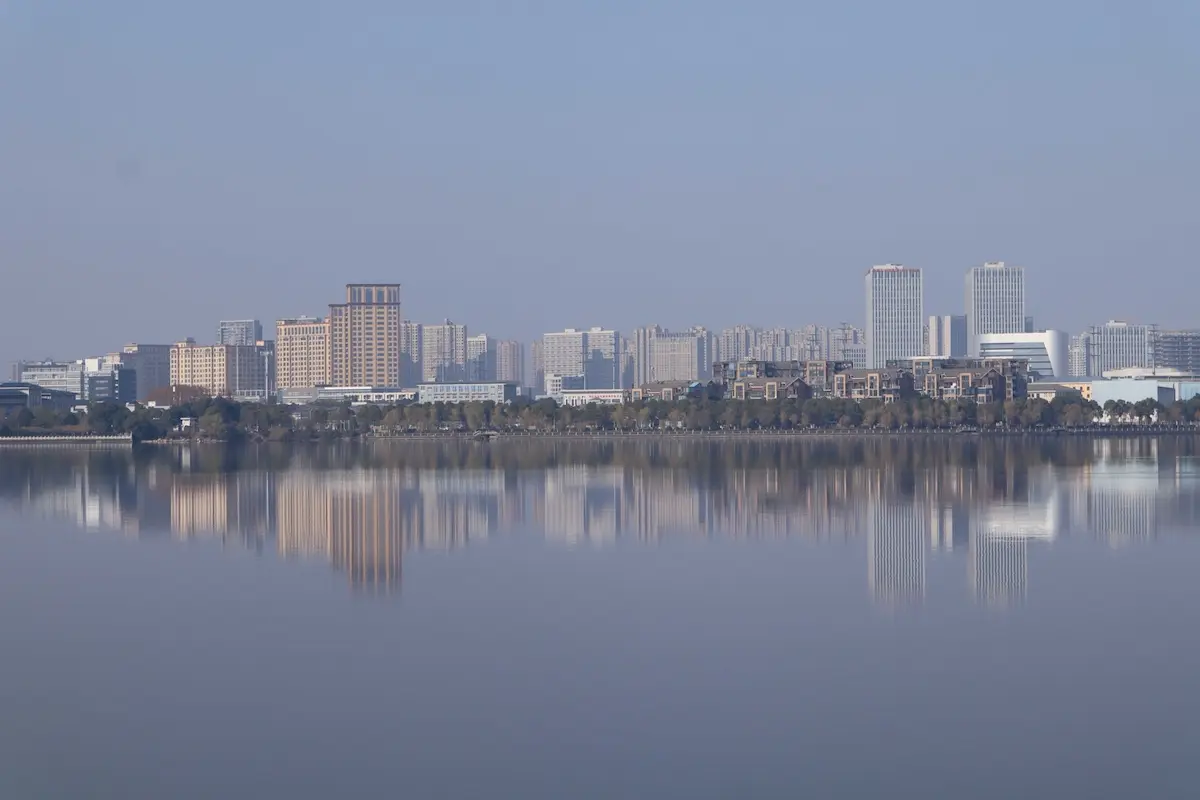
This is the kind of travel image I probably would have walked past a few years ago.
The skyline itself is fairly ordinary. The sky carries very little drama. There is no striking weather system, no intense sunset colour, and no iconic architectural landmark demanding attention. Without the water below it, the scene would likely feel visually flat — another distant urban landscape sitting quietly under soft afternoon light.
But the reflection changes the emotional structure of the image completely.
Instead of feeling rigid and heavily urban, the city suddenly becomes calmer. The mirrored buildings soften the geometry, the repeated vertical lines introduce visual rhythm, and the water creates a sense of stillness that the skyline alone could never achieve. The atmosphere begins to emerge not from spectacle, but from restraint.
That is something I’ve slowly become more interested in over time with reflections in travel photography.
A lot of reflection photography online focuses on perfection — dramatic puddles, vibrant neon colours, perfectly symmetrical mirror images, or highly edited travel scenes designed to maximise visual impact immediately. But reflections can also do something quieter. They can soften otherwise ordinary environments, introduce emotional calm, and create atmosphere in places that might initially appear visually unremarkable.
For me, this image works less because of the city itself and more because the reflection transforms the emotional reading of the scene. The mood exists below the horizon line rather than above it. The water becomes responsible for the atmosphere.
And sometimes that subtle shift is enough to turn a simple travel photograph into something worth slowing down to look at.
Why the Reflection Changes the Image
Softening Urban Structure
Cities often photograph harshly.
Large buildings, compressed skylines, and dense architectural lines can easily create images that feel rigid or emotionally distant, especially when the light itself is fairly neutral. In many forms of cityscape photography, photographers compensate for this by waiting for dramatic sunsets, storms, or heavy colour contrast to inject emotion into the frame.
This image does almost the opposite.
The skyline itself remains relatively subdued, but the reflection softens the entire emotional experience of the scene. The water reduces the visual aggression that urban environments sometimes carry. Hard vertical structures become elongated shapes. Edges lose some of their severity. The city begins to feel quieter and more atmospheric rather than purely structural.
What interests me here is that the reflection does not simply duplicate the skyline — it changes how the skyline is emotionally interpreted.
Without the reflected surface, the image feels observational but somewhat flat. With it, the scene gains calmness and rhythm. The water introduces a slower pace to the image, encouraging the eye to move vertically between the buildings and their mirrored forms rather than simply scanning horizontally across the skyline.
That shift matters more than many people realise in travel photography composition.
Sometimes reflections are treated almost like decorative tricks — an easy way to make an image more visually appealing. But in stronger atmosphere photography, reflective surfaces can become part of the emotional structure itself. They alter the mood of a location rather than simply embellishing it.
Atmosphere Without Dramatic Weather
One of the reasons this image becomes interesting to analyse is because almost nothing dramatic is happening environmentally.
There are no storm clouds building tension. No golden sunset lighting the skyline. No vibrant tropical colours dominating the scene. Even the tonal palette stays relatively compressed within soft blues, greys, and muted neutral tones.
Ordinarily, that combination might produce a forgettable travel image.
Yet the photograph still carries atmosphere.
That atmosphere emerges largely through stillness and reflection rather than spectacle. The calm water introduces softness that the sky itself does not provide. In many ways, the reflection becomes responsible for the emotional mood of the image while the skyline simply provides structure.
I think this is an important lesson in reflections in travel photography because photographers often become dependent on dramatic conditions to create emotional weight. We wait for extreme weather, intense colour, or visually explosive moments because they immediately command attention. But quieter images can sometimes create a more lasting emotional response precisely because they rely on restraint instead of intensity.
The softness here allows the image to breathe.
There is visual space. There is calmness. The muted atmosphere avoids overwhelming the viewer, and that restraint becomes part of the identity of the photograph itself.
Why This Scene Would Be Weak Without the Reflection
I think it’s important to be honest about what is actually carrying this image.
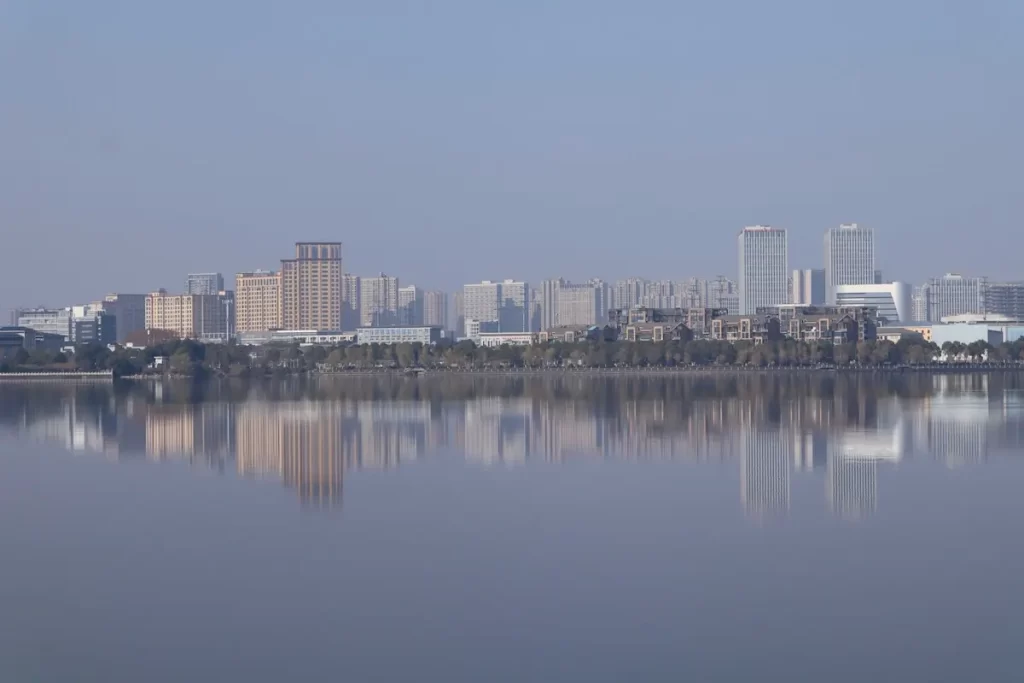
Without the reflection, this would probably become a fairly forgettable skyline photograph.
The buildings themselves are not especially distinctive. There is no major architectural landmark acting as a strong focal anchor, and the atmosphere in the sky remains fairly neutral throughout the frame. Even the colour palette stays restrained to the point where the city risks blending into itself tonally.
That does not make the location unattractive, but visually it means the image relies heavily on structure rather than narrative.
There is also very little human presence visible within the frame. No movement immediately draws attention. No interaction creates emotional tension. The scene exists in a quiet observational space where the viewer is left mostly with shape, tone, and atmosphere to interpret.
That is exactly why the reflection matters so much here.
The water introduces softness that the skyline alone cannot provide. It creates abstraction, visual rhythm, and emotional calm. The mirrored buildings stretch downward into the frame and begin to feel less architectural and more painterly. The reflection slows the image down emotionally.
In many ways, the reflection becomes the story.
This is something I’ve noticed repeatedly with reflections in travel photography. Reflective surfaces often become most valuable not when the original subject is already dramatic, but when the scene itself needs atmosphere introduced into it. They can transform visually ordinary environments into something calmer, quieter, and more emotionally readable.
Without the reflection, this image documents a skyline.
With it, the photograph begins to communicate mood.
Reflections as Emotional Tools in Travel Photography
One of the reasons reflections are so powerful in travel photography is because they often change how a place feels rather than simply how it looks.
That distinction matters.
A reflection is not automatically interesting on its own. Water, glass, puddles, and mirrored surfaces become meaningful when they influence the emotional reading of a scene. Sometimes they introduce calmness. Sometimes abstraction. Sometimes they create visual separation between chaos and stillness.
In travel photography, environments are often visually crowded. Streets are busy, signage competes for attention, people move unpredictably, and urban spaces can easily become overwhelming inside a frame. Reflections can soften that visual noise by creating rhythm and simplifying the emotional structure of an image.
That is part of what happens here.
The skyline itself is relatively dense and compressed, but the reflected surface introduces breathing room. The water creates visual calm that balances the harder architectural elements above it. Instead of feeling purely urban, the scene begins to feel atmospheric.
I think this is why reflective surfaces work particularly well in observational photography and atmosphere photography. They encourage photographers to slow down and pay attention to quieter relationships inside a scene rather than searching constantly for obvious spectacle.
Sometimes that might be:
- rain sitting on pavement after a storm
- reflections in hotel windows at dusk
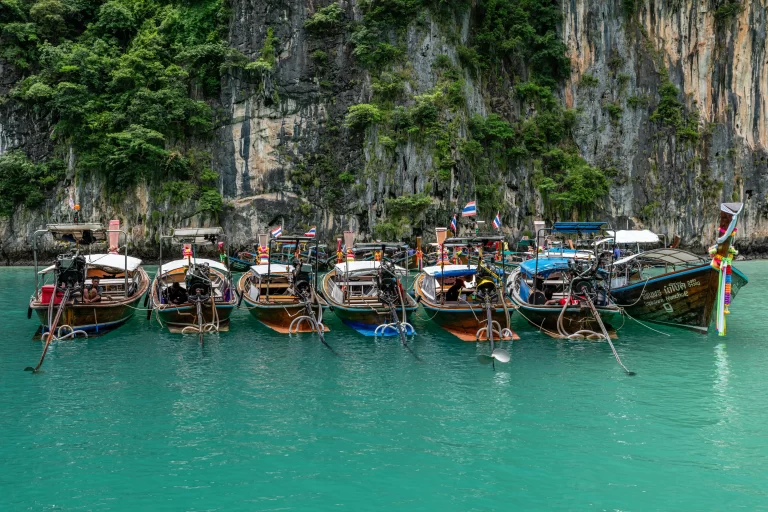
- longtail boats mirrored in calm tropical water
- neon signs stretching across wet streets
- soft ocean reflections below coastal skylines
In each case, the reflection adds emotional texture that may not exist in the original subject alone.
There is also something psychologically calming about reflections themselves. They naturally introduce symmetry, repetition, and softness into a composition. Even imperfect reflections tend to create visual rhythm that helps guide the viewer through the frame more gently.
That becomes especially valuable in reflections in travel photography because travel imagery often risks becoming visually loud. Bright colours, dramatic edits, oversized landmarks, and exaggerated atmosphere can quickly overpower subtle emotional qualities within a scene.
Reflections can pull an image back toward restraint.
They can slow the photograph down emotionally and allow atmosphere to emerge more naturally rather than forcing intensity through editing or spectacle. In many ways, reflections reward patience more than excitement. They encourage observation rather than reaction.
And for me, that is usually where the more memorable travel images begin to appear.
What Could Be Stronger?
I think the image succeeds more through atmosphere than through visual impact, and that distinction is important.
While the reflection creates calmness and emotional softness, the skyline itself still lacks a truly dominant focal point. None of the buildings strongly separate themselves from the surrounding structures, which means the eye tends to move across the frame rather than settle naturally on a single anchor.
That creates a quieter viewing experience, but it also slightly limits memorability.
The atmospheric conditions are also relatively restrained. The soft light works well with the reflection, but there is very little environmental tension inside the scene itself. A stronger weather system, subtle fog, heavier rain clouds, or more directional light could potentially deepen the emotional mood significantly.
At the same time, I do not necessarily think this image wants to become dramatic.
Trying to force cinematic intensity onto a scene like this would probably weaken what makes it interesting in the first place. The calmness is part of its identity. The quieter tonal balance allows the reflection to remain gentle rather than overpowering.
I also think the image sits somewhere between observational photography and more intentional atmosphere photography without fully committing to either direction. It observes the skyline successfully, but it stops slightly short of creating a deeply immersive emotional environment.
That is not really a failure.
In many ways, this is the kind of image that becomes more rewarding the longer you look at it rather than something designed to dominate attention immediately. The reflection creates enough visual softness and rhythm to hold the frame together, even if the underlying scene remains relatively simple.
And honestly, there is value in that restraint.
Not every travel photograph needs to feel monumental to remain worthwhile.
Suggested Refinements
If I were refining this image further, I would be careful not to push it too aggressively.
The softness is part of what makes the photograph work. Over-editing would likely damage the calm atmosphere that the reflection creates. This is one of those travel images where restraint matters more than dramatic processing.
I would probably focus mostly on subtle tonal shaping rather than major stylistic adjustments.
A small increase in local contrast around the skyline could help the buildings separate slightly more from one another while still preserving the overall softness of the frame. Gentle control of the darker tones in the water may also help strengthen the reflection without making it feel artificially sharp or overly mirrored.
At the same time, I would avoid heavy clarity, excessive HDR treatment, or strong saturation shifts completely.
Modern travel photography often pushes reflective scenes too far. Water becomes unnaturally crisp, blues become hyper-saturated, and reflections start looking more digitally manufactured than emotionally believable. The atmosphere disappears because the image begins prioritising impact over realism.
What works here is that the reflection still feels natural.
The water remains slightly imperfect. The mirrored skyline retains softness rather than becoming a perfect symmetrical duplicate. That imperfection helps preserve the observational feeling of the scene and keeps the image grounded in visual authenticity rather than turning it into a heavily processed cityscape illustration.
For me, reflections in travel photography usually become stronger when they support atmosphere quietly instead of demanding attention loudly.
Reflections, Observation, and Quiet Photography
One thing I’ve started appreciating more over time is that not every photograph needs to announce itself loudly to remain meaningful.
Modern travel photography often rewards intensity. Strong colours, dramatic weather, oversized landmarks, cinematic edits, and highly engineered compositions dominate attention quickly, especially online where images compete for visibility within seconds. There is constant pressure for photographs to become bigger, louder, sharper, and more emotionally exaggerated.
Quiet images often get overlooked because of that.
But I think there is something valuable about photographs that reveal themselves more slowly.
This image sits firmly in that quieter space. It does not rely on spectacle to create atmosphere. The skyline itself remains relatively ordinary, the light stays soft and restrained, and the colours avoid becoming visually aggressive. The emotional weight of the frame comes instead from observation — from noticing how the reflection changes the feeling of the environment.
That is part of what continues to interest me about reflections in travel photography.
Reflections often reward patience more than reaction. They encourage photographers to pay attention to smaller emotional relationships inside a scene rather than waiting only for dramatic events to occur. A calm surface of water, soft movement in wet pavement, or muted mirrored shapes in glass can sometimes create more atmosphere than an explosive sunset ever could.
I think this also connects strongly to observational photography more broadly.
Observational photography is rarely about forcing emotion into a frame. It is usually about recognising emotional qualities that already exist quietly within an environment. The role of the photographer becomes less about manufacturing spectacle and more about noticing atmosphere before it disappears.
That is why restraint matters so much in images like this.
The reflection works because it remains soft. The skyline works because it is not over-processed into artificial drama. Even the muted tonal balance contributes to the sense of visual calm. The image allows stillness to remain part of the experience instead of trying to overwhelm the viewer constantly.
And honestly, I think travel photography sometimes needs more of that.
Not every destination has to look cinematic to feel emotionally real.
Possible Uses for This Image
This image would work best in environments where atmosphere matters more than intensity.
The calm reflection, restrained tones, and softer emotional pacing make it well suited for travel editorial work that wants to communicate stillness, observation, or environmental mood rather than excitement or spectacle. It feels more aligned with reflective travel storytelling than with aggressive destination marketing.
I could easily see this image working within:
- travel magazines
- hotel branding
- tourism atmosphere campaigns
- minimalist travel websites
- editorial cityscape collections
- slow travel articles
- observational photography features
Particularly within modern travel publishing, there is growing space for quieter imagery that allows destinations to feel emotionally believable rather than heavily manufactured. Not every travel photograph needs to sell adrenaline or fantasy. Sometimes atmosphere itself becomes the appeal.
The reflection helps this image sit comfortably within that calmer visual space.
At the same time, I do not think the photograph would work particularly well for:
- high-energy tourism campaigns
- luxury advertising
- dramatic city branding
- architectural portfolio work
- highly commercial travel promotions
The image simply does not carry enough visual intensity for those purposes, and trying to force it into that role would likely misunderstand what the photograph actually does well.
Its strength comes from emotional softness rather than spectacle.
That is often where reflections in travel photography become most effective — not when they dominate the frame, but when they quietly reshape how a place feels to the viewer.
Final Reflection
What I like most about this image is that it never tries too hard to impress the viewer.
The skyline remains simple. The atmosphere stays restrained. The colours never become overwhelming, and the reflection quietly carries most of the emotional weight of the frame without demanding attention aggressively.
Without the water, this would probably feel like a fairly ordinary cityscape photograph.
But the reflection changes the emotional reading of the environment completely. It softens the architecture, introduces visual calm, and creates atmosphere in a scene that otherwise risks feeling emotionally neutral. The mood emerges through stillness rather than spectacle.
I think that is one of the more interesting aspects of reflections in travel photography.
Sometimes reflections are not valuable because they create perfect symmetry or dramatic visual effects. Sometimes they matter because they help ordinary places feel quieter, softer, and more emotionally readable. They allow atmosphere to emerge naturally instead of forcing intensity into the frame.
And often those quieter photographs stay with us longer than the louder ones do.
Photography is not always about finding the most dramatic location or waiting for perfect conditions.
Sometimes stronger images come from recognising quieter relationships inside a scene — soft reflections, subtle atmosphere, restrained light, or small emotional shifts that change how a place feels rather than simply how it looks.
If you enjoy this kind of observational approach to photography, explore more from the Notes From the Frame series on Reflections Photography where we break down atmosphere, composition, environmental storytelling, and the visual decisions that shape stronger travel images beyond camera settings alone.
FAQ Reflection in Travel Photography
What are reflections in travel photography?
Reflections in travel photography use mirrored surfaces like water, glass, wet streets, or windows to add atmosphere, depth, and emotional texture to an image. Rather than simply documenting a location, reflections can soften environments, create visual rhythm, and influence how a place emotionally feels to the viewer.
Why do reflections make travel photos feel more atmospheric?
Reflections often introduce calmness and visual softness into a scene. They can reduce harsh architectural lines, simplify visual chaos, and create emotional balance within a composition. In many cases, reflections help ordinary environments feel more immersive and emotionally readable.
Do reflections only work in dramatic conditions?
Not at all.
Some of the strongest reflective images happen during quiet moments with soft light and restrained colours. While dramatic sunsets and storms can strengthen reflections, reflections in travel photography often become most effective when they subtly support atmosphere rather than dominate the image.
What types of reflective surfaces work well in travel photography?
Common reflective surfaces include:
- calm water
- puddles after rain
- wet pavement
- hotel windows
- glass buildings
- reflective architecture
- beaches during low tide
- harbour and marina environments
Each surface creates different emotional qualities within a photograph.
Why do some reflection photos feel over-processed?
Many reflective travel images are edited too aggressively with excessive HDR, clarity, saturation, or artificial sharpening. This can remove the softness and realism that make reflections emotionally effective in the first place.
Natural reflections usually feel stronger when they preserve subtle imperfections and realistic tonal balance.
Are quiet travel photos still valuable?
Absolutely.
Not every travel image needs dramatic weather, intense colour, or major landmarks to feel meaningful. Quiet observational photography can often create stronger long-term emotional connection because it focuses on atmosphere, stillness, and environmental feeling rather than spectacle alone.
How can reflections improve travel photography composition?
Reflections can:
- create symmetry
- introduce visual rhythm
- guide eye movement
- soften hard structures
- add layered depth
- balance busy environments
- create emotional calm
In many situations, reflections help transform visually ordinary scenes into more atmospheric compositions.
What is the difference between observational photography and highly constructed travel photography?
Observational photography focuses on recognising naturally existing atmosphere and emotional relationships within a scene. Highly constructed travel photography often relies more heavily on staging, dramatic editing, or engineered visual impact.
Neither approach is inherently wrong, but observational photography usually prioritises realism, atmosphere, and emotional authenticity over spectacle.
About the Author
David Hibbins is a travel and observational photographer focused on atmosphere, environmental storytelling, and real-world visual experiences across Thailand and Asia.
Through Reflections Photography and the Notes From the Frame series, his work explores how judgement, restraint, and environmental awareness influence stronger photography more than gear obsession or over-processed aesthetics.
His photography philosophy centres around:
- atmosphere over spectacle
- observation over performance
- realism over artificial perfection
- emotional readability over technical excess
Rather than focusing heavily on camera settings or equipment, his work explores how atmosphere, composition, timing, and visual judgement shape emotionally stronger travel photographs.