Environmental Storytelling in Photography
Notes From the Frame is a series exploring the strengths, tradeoffs, atmosphere, storytelling, and visual decisions that shape real-world photography.
Some photographs feel emotionally readable almost immediately.
Not because they are visually loud or technically dramatic, but because the relationship between the subject and the environment feels believable. The atmosphere supports the emotion naturally rather than forcing it through exaggerated posing, heavy editing, or cinematic spectacle.
That was my immediate reaction to this image.
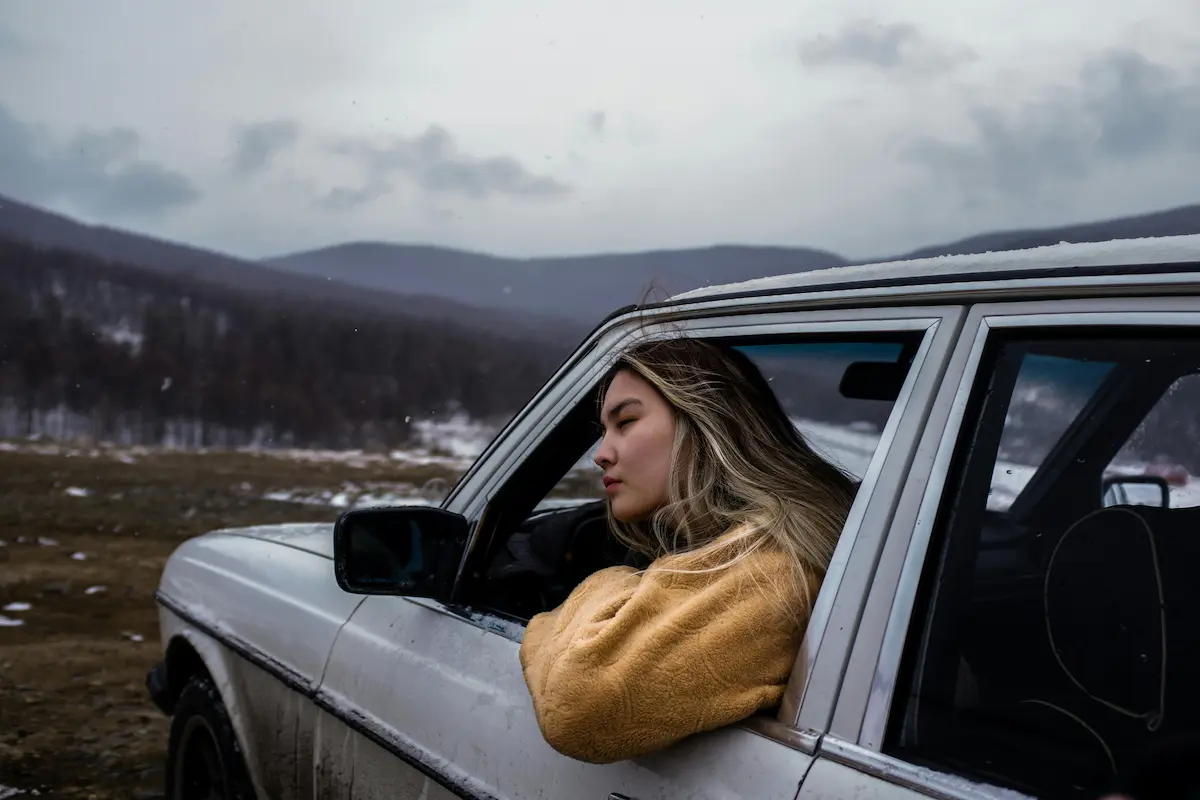
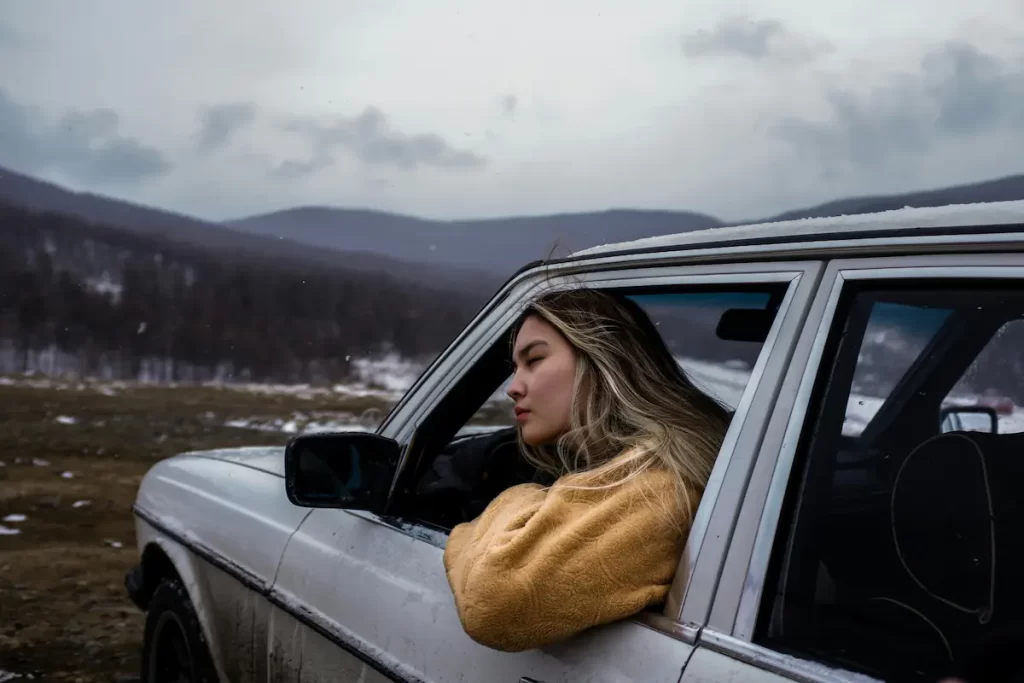
The landscape itself is cold, muted, and slightly bleak. The sky carries very little warmth, the mountains fade softly into the background, and the sparse winter environment creates a sense of isolation without becoming overly theatrical. Nothing in the frame feels polished or engineered for attention. Even the car appears weathered and imperfect, which quietly reinforces the realism of the scene.
What makes the image work for me is that the emotion feels connected to the environment rather than inserted into it.
The subject does not appear to be performing for the camera. Her eyes remain closed, her posture feels naturally relaxed, and the photograph creates the impression of a private moment rather than a constructed portrait session. The viewer is left projecting meaning into the frame rather than being told exactly what to feel.
That interpretive space is important in environmental storytelling in photography.
Stronger emotional images often leave room for ambiguity. They allow atmosphere, posture, colour, and environment to work together subtly instead of relying on obvious narrative cues or exaggerated expressions. In this photograph, the emotional weight comes less from action and more from stillness.
And sometimes stillness tells the more believable story.
Why the Image Feels Emotionally Believable
The Environment Supports the Subject
One of the strongest aspects of this image is that the environment never feels separate from the emotion of the subject.
The cold mountains, overcast sky, sparse landscape, and muted winter colours all support the emotional atmosphere naturally. Nothing appears artificially arranged to manufacture mood. The landscape itself already carries quietness, isolation, and stillness before the subject is even introduced into the frame.
That cohesion matters a lot in environmental storytelling in photography.
Sometimes portrait images fail because the subject and the environment feel emotionally disconnected from one another. A dramatic expression may clash against a cheerful location, or a heavily styled pose may feel unnatural within a raw environment. The viewer senses the construction immediately.
Here, the opposite happens.
The softness of the mountains mirrors the softness of the posture. The muted colours reinforce the emotional restraint of the image. Even the weathered condition of the car contributes to the realism rather than distracting from it. Nothing feels excessively polished or visually engineered.
The atmosphere supports the emotion quietly.
That subtle alignment is often what separates believable environmental portraiture from images that simply place a person inside a landscape.
The Pose Avoids Performance
The pose is probably the most important reason the image works emotionally.
If the subject were staring directly into the camera with exaggerated expression or heavily stylised body language, the entire emotional reading of the image would change immediately. The photograph would begin shifting toward performance rather than observation.
Instead, the image feels inward.
Her eyes are closed. Her posture appears relaxed rather than carefully controlled. The body language suggests emotional withdrawal or quiet reflection rather than active presentation to the viewer. We are not being asked to admire the subject in an obvious way.
That creates trust inside the frame.
A lot of modern portrait photography struggles because subjects often appear highly aware of being photographed. Every gesture becomes slightly performative. Every expression feels calibrated for attention. Even when technically impressive, those images can lose emotional realism because the viewer becomes too aware of the construction itself.
This image avoids that problem surprisingly well.
It feels less like:
“a person posing in front of a landscape”
and more like:
a moment that happened naturally inside an environment.
That distinction is incredibly important in observational portrait photography.
The emotional accessibility comes from recognisability. Most people understand what quiet exhaustion, emotional distance, or reflective stillness feel like internally. The image taps into those emotions without needing dramatic expression to communicate them.
Framing and Distance
The framing also plays a major role in maintaining emotional balance.
The car window acts almost like a natural frame within the composition, drawing attention toward the subject while still preserving environmental context. We remain close enough to read emotion, but far enough away to understand the surrounding atmosphere shaping the scene.
That balance is difficult to achieve.
If the composition moved significantly tighter, the mountains and environmental atmosphere would lose importance. The image would become more purely portrait-driven. If the framing moved too wide, the emotional readability of the subject would weaken and the viewer might lose connection to the quieter emotional cues entirely.
This image sits in a strong middle ground between portraiture and environmental storytelling.
The viewer experiences both:
- the person
and - the emotional influence of the environment surrounding them.
I also think the slight physical distance helps preserve realism. The image does not feel invasive or emotionally manipulative. It allows the viewer to observe rather than forcing intimacy aggressively.
That restraint is part of why the photograph feels believable.
Tonal Cohesion and Mood
The tonal palette quietly does a huge amount of emotional work in this image.
The faded whites of the car, muted browns of the landscape, soft skin tones, and subdued mountain blues all sit within a restrained tonal range. Nothing dominates aggressively. No colour feels artificially amplified for emotional effect.
That restraint supports the mood significantly.
Modern portrait photography often relies heavily on dramatic colour grading to create atmosphere. Teal shadows, orange skin tones, hyper-contrasted cinematic edits, and exaggerated colour separation have become extremely common, particularly within travel portrait photography online.
But heavy grading can sometimes weaken emotional realism rather than strengthen it.
This image succeeds because the colours still feel connected to the actual environment. The coldness of the landscape remains believable. The softness of the light remains believable. Even the subdued warmth in the subject’s clothing helps create subtle separation without feeling commercially styled.
The mood emerges naturally from the scene itself rather than being forced afterward through editing.
And for me, that usually creates stronger emotional atmosphere in photography over the long term.
What Story Does the Viewer Project Into the Image?
What makes this image interesting is that it never fully explains itself.
There is no obvious action taking place. No dramatic expression. No clear narrative event. The photograph offers emotional clues, but it leaves enough ambiguity for the viewer to project their own interpretation into the frame.
That uncertainty becomes part of the emotional strength of the image itself.
Some viewers may read the photograph as peaceful solitude. Others may interpret emotional exhaustion, loneliness, travel fatigue, quiet reflection, or even a sense of emotional escape. The image creates enough atmosphere to suggest emotion without locking the viewer into one fixed story.
I think that flexibility matters a lot in environmental storytelling in photography.
Images often become emotionally weaker when they explain too much. If every emotion is exaggerated clearly, the viewer no longer participates in interpreting the frame. The photograph becomes more performative and less emotionally immersive because the meaning is fully controlled in advance.
This image avoids that problem through restraint.
The closed eyes help significantly. The subject is not engaging directly with the viewer, which creates emotional distance in a good way. We are observing a moment rather than being invited into a performance. That subtle separation allows the atmosphere and environment to carry more emotional weight naturally.
The landscape also contributes heavily to the interpretive space.
The cold mountains, muted weather, and sparse environment suggest isolation without becoming visually oppressive. The setting feels emotionally quiet rather than dramatically tragic. That distinction is important because the image remains believable. It does not force sadness or cinematic melancholy aggressively onto the viewer.
Instead, the photograph sits in a more human emotional space — the kind of quiet moment people genuinely experience while travelling, reflecting, or emotionally withdrawing inward for a brief period of time.
And honestly, I think that emotional recognisability is part of what gives the image lasting strength.
The photograph does not tell us exactly what the subject is feeling.
It simply creates enough atmosphere for us to remember moments when we may have felt something similar ourselves.
Why the Image Feels More Observational Than Constructed
A lot of modern portrait photography feels heavily aware of itself.
The subject knows they are being watched. The pose is carefully engineered. The expression is calibrated for emotional effect. Even when technically impressive, many portraits start feeling more like visual performance than human observation.
This image moves in a different direction.
What makes it compelling is that the photograph still feels emotionally human beneath the stylisation. The subject appears present inside the environment rather than staged on top of it. The atmosphere does not exist merely as aesthetic decoration — it feels connected to the emotional reading of the frame itself.
That distinction is subtle, but important.
The image still contains intentional styling. The framing is thoughtful, the colour palette is cohesive, and the environment clearly contributes to the mood. But the photograph stops short of becoming overly cinematic or emotionally exaggerated. It preserves enough realism for the viewer to believe the moment could genuinely exist outside the photograph itself.
That is where observational portrait photography often becomes stronger than highly constructed imagery.
Observation allows emotional imperfections to survive. Slight awkwardness, emotional ambiguity, tired posture, environmental harshness, and quietness all remain visible rather than being polished away. Those imperfections create recognisability because they feel closer to actual human experience.
I think the closed eyes are especially important here.
The subject is not trying to emotionally “sell” the image to the viewer. There is no direct invitation demanding attention or admiration. The emotional energy turns inward rather than outward, which creates intimacy without needing overt vulnerability.
That restraint makes the image feel more lived than performed.
It also helps the photograph avoid a common problem in modern travel portrait photography where environments become little more than fashionable backdrops for self-presentation. In those images, the location often loses emotional importance because the primary goal becomes visibility, glamour, or aesthetic performance.
Here, the environment still matters emotionally.
The cold landscape, muted weather, and physical isolation remain part of the story. The subject feels emotionally shaped by the environment rather than visually separated from it. That balance is one of the strongest aspects of the photograph.
And honestly, I think environmental storytelling in photography becomes far more powerful when realism is allowed to survive alongside beauty rather than being replaced by it completely.
What Could Be Stronger?
I think the image succeeds emotionally more than it succeeds narratively, and that distinction is important.
The atmosphere and emotional realism are strong, but the actual story remains fairly open-ended. We sense introspection, stillness, or emotional withdrawal, yet there are very few contextual details guiding the viewer toward a more specific interpretation. The image creates mood extremely well, but it stops slightly short of becoming deeply documentary in nature.
That is not necessarily a weakness.
In many ways, the ambiguity is part of what makes the photograph emotionally accessible. Different viewers can project different experiences into the frame without feeling restricted by a fixed narrative. Still, a small amount of additional environmental context could potentially deepen the emotional specificity even further.
The darker interior of the car on the right side of the frame also carries slightly more visual weight than it probably needs to.
It does help reinforce realism — the image would likely feel too clean or overly aesthetic if the interior disappeared completely — but the deeper shadows subtly compete with the softer emotional flow happening around the face, arm, and mountain background. A little more tonal separation there may help guide the eye more naturally through the frame.
I also think the image intentionally avoids dramatic weather, which largely works in its favour, but stronger atmospheric conditions could potentially increase the emotional intensity. Heavier snow, fog, rain, or stronger directional light may have pushed the environment further into the emotional storytelling itself.
At the same time, there is a danger in over-romanticising scenes like this.
Part of what makes the image believable is its restraint. It feels emotionally human because it never becomes excessively cinematic or visually theatrical. The quietness remains intact.
And honestly, preserving that realism is probably more important than chasing additional drama.
Suggested Refinements
If I were refining this image further, I would approach it very carefully because a large part of its strength comes from emotional restraint rather than visual intensity.
The softness of the atmosphere needs to survive.
I would probably focus first on subtle tonal control rather than dramatic stylistic editing. The image already contains strong environmental mood, so the goal would not be to manufacture atmosphere artificially, but simply to support what is naturally present inside the frame.
The darker interior on the right side could likely benefit from slight shadow lifting or tonal balancing to reduce some of its visual heaviness. Not enough to remove realism, but enough to help the eye transition more smoothly between the subject and the surrounding environment.
At the same time, I would avoid pushing clarity or contrast too aggressively.
A lot of modern cinematic portrait editing tends to sharpen emotional scenes until they almost lose their humanity. Skin texture becomes hyper-defined, shadows become excessively crushed, and colour grading starts overpowering the actual emotional content of the image itself.
That would weaken this photograph considerably.
Part of what makes the image believable is that the softness still feels connected to real light and real weather conditions. The cold atmosphere remains natural. The muted landscape still feels grounded in reality. Even the subdued colour palette contributes to the emotional realism because nothing appears artificially amplified for attention.
I would also avoid overly stylised teal/orange grading completely.
This kind of environmental portraiture works best when the viewer still believes the emotional atmosphere could genuinely exist outside the edit. Once the colour palette starts feeling engineered too heavily, the image risks shifting away from observational realism and toward aesthetic performance.
For me, environmental storytelling in photography usually becomes strongest when editing supports emotion quietly rather than trying to dominate the emotional experience itself.
Mood, Restraint, and Quiet Portrait Photography
One thing I keep returning to with images like this is how powerful restraint can become in portrait photography.
Not every emotional photograph needs dramatic expression, cinematic weather, or highly engineered visual tension to feel meaningful. Sometimes quieter images create stronger long-term connection precisely because they leave space for stillness, ambiguity, and emotional interpretation.
This image works within that quieter space.
There is no exaggerated sadness being forced onto the viewer. No highly performative body language. No aggressive cinematic grading demanding emotional reaction. Instead, the photograph relies on atmosphere, posture, environment, and emotional suggestion to create connection more gradually.
I think modern photography sometimes underestimates the value of that softness.
A huge amount of portrait and travel imagery online is designed to capture attention instantly. Strong colour contrast, hyper-sharp editing, dramatic movement, and exaggerated emotional cues dominate much of the visual space people consume every day. Over time, many images begin feeling emotionally similar because they are all competing for intensity.
Quiet photography moves differently.
It asks the viewer to slow down rather than react immediately. The emotional connection develops through observation instead of spectacle. In this image, the mountains, muted sky, worn car interior, and relaxed posture all contribute to an atmosphere that feels emotionally human rather than commercially engineered.
That human recognisability matters.
Most people understand moments of emotional withdrawal, quiet exhaustion, solitude, or inward reflection. The image never explicitly explains which emotion is taking place, but it creates enough realism for viewers to recognise fragments of their own experiences within the frame.
That is where observational portrait photography often becomes far more powerful than technically perfect portraiture.
Perfection can sometimes create emotional distance. Realism creates familiarity.
Even the imperfections here contribute positively:
- the weather feels cold and uncomfortable
- the car interior feels slightly worn
- the posture feels naturally unguarded
- the emotional narrative remains unresolved
Those details stop the image from becoming overly polished or artificially inspirational.
And honestly, I think that is part of why the photograph lingers emotionally. It feels less like a performance designed for visibility and more like a believable human moment that happened to be photographed inside a landscape.
Sometimes that quieter honesty creates the strongest atmosphere of all.
Possible Uses for This Image
This image would work strongest in environments where emotional atmosphere matters more than polished perfection.
The quiet mood, restrained colour palette, and believable emotional tone make it very well suited for editorial-style travel storytelling, observational portrait collections, and slower forms of visual publishing that prioritise human atmosphere over spectacle.
I could easily see this photograph working within:
- travel editorials
- documentary-style tourism campaigns
- outdoor lifestyle branding
- slow travel publications
- observational portrait series
- environmental storytelling features
- mental wellness or reflective lifestyle campaigns
What gives the image flexibility is that it communicates emotion without becoming overly specific. The atmosphere feels relatable enough that different viewers can project different experiences into the frame, which makes the photograph emotionally adaptable across multiple forms of publishing.
The realism also helps.
A lot of modern travel portrait photography can feel overly polished or commercially engineered, which sometimes creates emotional distance. This image retains enough softness and imperfection to feel recognisable and human, which makes it particularly effective for brands or publications wanting emotional authenticity rather than glamour.
At the same time, I do not think the image would suit:
- luxury fashion campaigns
- beauty advertising
- high-energy tourism marketing
- influencer-driven travel branding
- heavily commercial portrait work
The photograph simply does not operate within that emotional space.
Its strength comes from quiet atmosphere, emotional realism, and environmental storytelling in photography rather than visual spectacle or aspirational glamour.
Final Reflection
What stays with me about this image is not dramatic storytelling or technical perfection.
It is the emotional restraint.
The photograph never tries to force meaning onto the viewer. The landscape remains cold and quiet, the subject stays emotionally inward, and the atmosphere develops gradually through small visual relationships rather than exaggerated cinematic techniques. Nothing feels overly polished or engineered for attention.
That honesty is what gives the image its strength.
The environment matters emotionally here. The muted mountains, worn car interior, soft light, and restrained colour palette all contribute to a feeling that the moment genuinely belongs to the landscape surrounding it. The subject does not feel placed into the environment for aesthetic effect — she feels shaped by it.
I think that is one of the most important aspects of environmental storytelling in photography.
Stronger emotional images often come from allowing realism, atmosphere, and ambiguity to coexist instead of trying to control every emotional response inside the frame. Sometimes stillness communicates more than spectacle ever can.
And often the photographs that feel the most human are the ones that leave a little space for silence.
Strong photography is not always about dramatic locations, perfect weather, or highly engineered cinematic scenes.
Sometimes the images that stay with us longest are the ones that feel emotionally believable — photographs where atmosphere, environment, posture, and restraint quietly work together to create something human.
Continue Developing Your Photography
Understanding why a photograph works is often more valuable than learning another camera setting.
If you’d like personalised feedback on your own images, my photography mentoring focuses on atmosphere, storytelling, composition, observation, and visual decision-making across travel, street, and macro photography.
Together, we’ll explore what is strengthening your photographs, what may be holding them back, and how to develop a more intentional and confident photographic eye.
Learn More About Photography Mentoring →
FAQ Environmental Storytelling
What is environmental storytelling in photography?
Environmental storytelling in photography is the use of atmosphere, location, lighting, composition, and environmental context to help communicate emotion or narrative within an image. Instead of focusing only on the subject, the environment becomes part of the emotional meaning of the photograph itself.
Why does environment matter in portrait photography?
The environment influences how viewers emotionally interpret a subject.
Weather, colour palette, landscape, architecture, light, and surrounding objects all help shape mood and atmosphere. Strong environmental portraiture creates a believable relationship between the subject and the space around them rather than treating the background as decoration.
What makes a portrait feel emotionally believable?
Emotionally believable portraits usually rely on:
- natural body language
- restrained posing
- realistic atmosphere
- environmental cohesion
- emotional subtlety
- authentic expressions
Often the strongest images feel observed rather than heavily performed for the camera.
What is observational portrait photography?
Observational portrait photography focuses on capturing emotionally natural moments rather than highly engineered or overly performative poses. The goal is usually realism, atmosphere, and emotional recognisability rather than perfection or glamour.
Why do some cinematic portraits feel emotionally artificial?
Heavy editing, exaggerated colour grading, forced expressions, and overly controlled posing can sometimes weaken emotional realism. While cinematic photography can be visually impressive, excessive stylisation may create emotional distance if the image stops feeling believable.
Why are quieter portraits sometimes more powerful?
Quiet portraits often leave room for interpretation.
Instead of forcing emotion aggressively, they allow viewers to project their own memories, feelings, or experiences into the image. That ambiguity can create stronger long-term emotional connection than highly dramatic imagery.
How does atmosphere influence emotional storytelling in photography?
Atmosphere shapes emotional perception.
Weather, light, colour, environmental texture, and tonal softness all influence how viewers emotionally read an image. In environmental storytelling in photography, atmosphere often becomes just as important as the subject itself.
Do environmental portraits need dramatic locations?
Not at all.
Strong environmental portraiture is usually more about emotional cohesion than spectacle. Even simple or visually quiet environments can become powerful when the mood, posture, atmosphere, and composition all support one another naturally.
Why does natural posing matter in travel portrait photography?
Natural posing helps maintain emotional realism.
When subjects appear overly aware of the camera, images can start feeling performative rather than emotionally authentic. Relaxed posture, subtle gestures, and believable body language often create stronger emotional connection within travel portrait photography.
What is the difference between environmental portraiture and glamour portrait photography?
Environmental portraiture focuses more heavily on atmosphere, context, and emotional realism. Glamour portrait photography usually prioritises beauty, styling, presentation, and visual impact.
Neither approach is inherently better, but they aim to create very different emotional experiences for the viewer.
About the Author
David Hibbins is a travel and observational photographer whose work focuses on atmosphere, environmental storytelling, and real-world visual experiences across Thailand and Asia.
Through Reflections Photography, the Notes From the Frame series, and his broader publishing work with Travel With Insight, he explores how observation, judgement, and visual decision-making often influence stronger photographs more than technical perfection alone.
His photography philosophy centres around:
• Observation over assumption
• Meaning over spectacle
• Atmosphere over distraction
• Visual judgement over gear obsession
• Storytelling over simple description Rather than focusing primarily on camera settings or equipment, his work examines how photographers can develop a deeper understanding of composition, atmosphere, narrative, and the visual relationships that shape more meaningful images.