
Quiet Details
Small moments, textures, and everyday objects — photographed with restraint, clarity, and natural light.
A selected collection of thailand photography details discovered across my journey.
Tip: Click any image to open the lightbox.
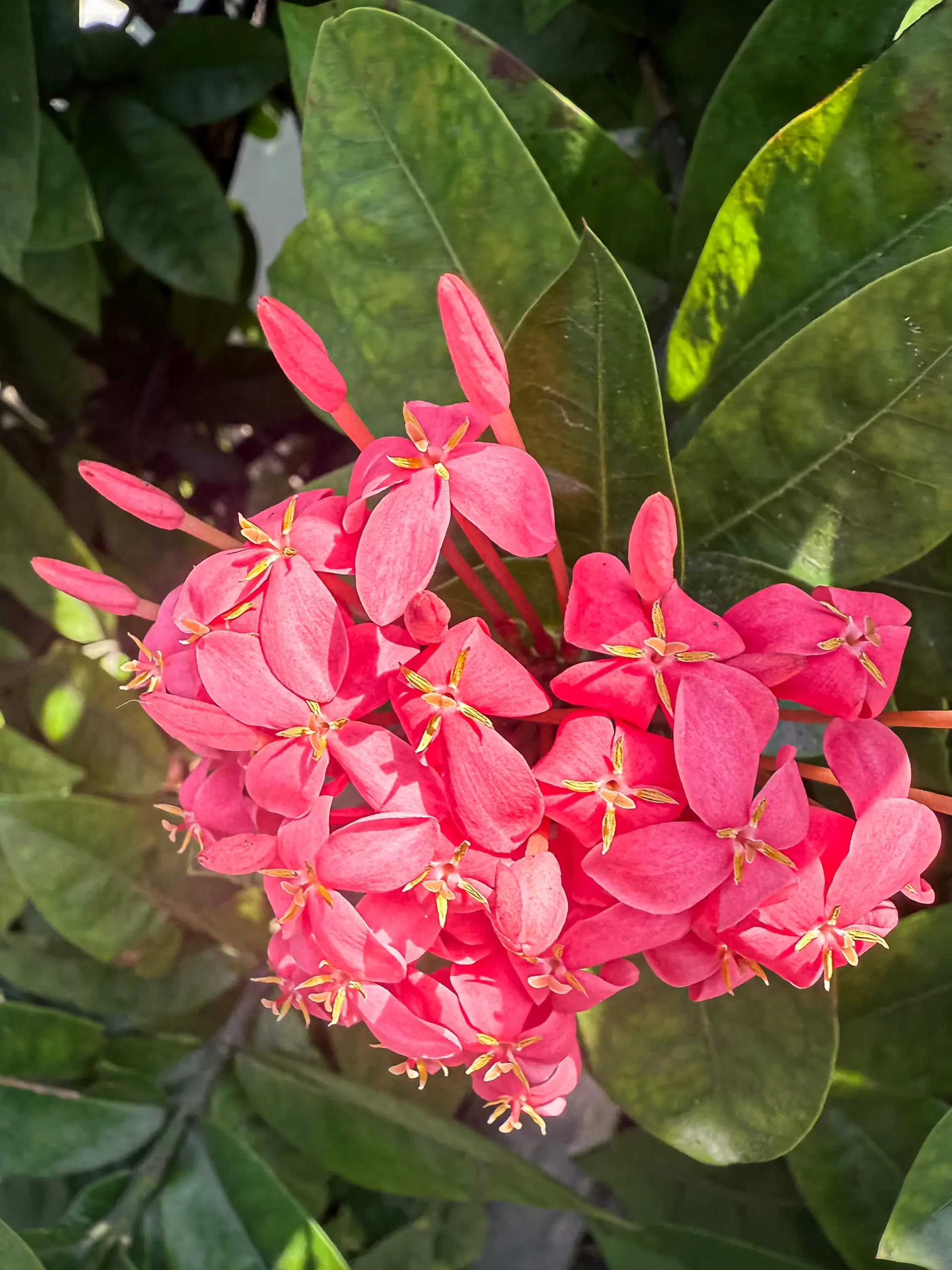
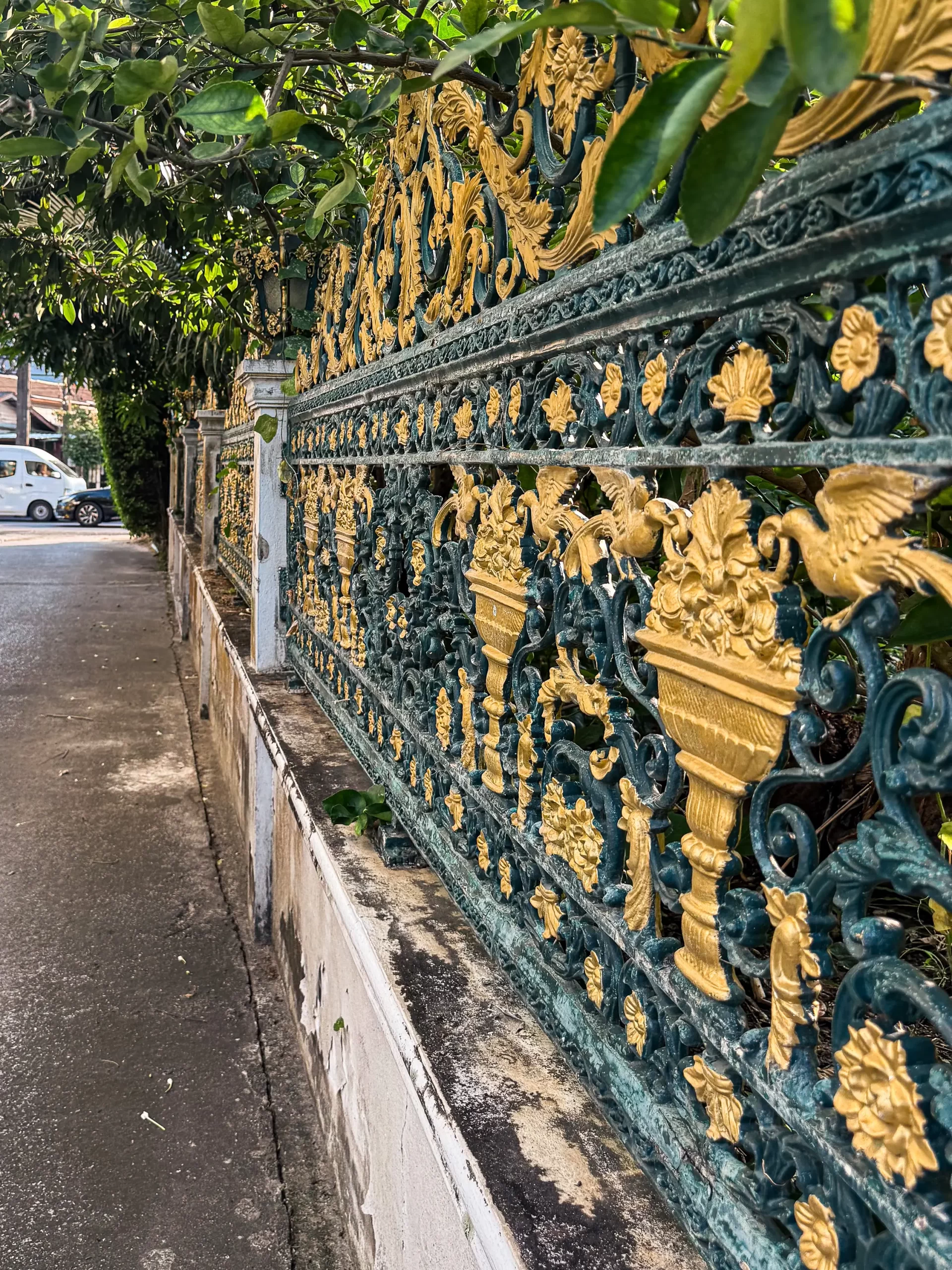
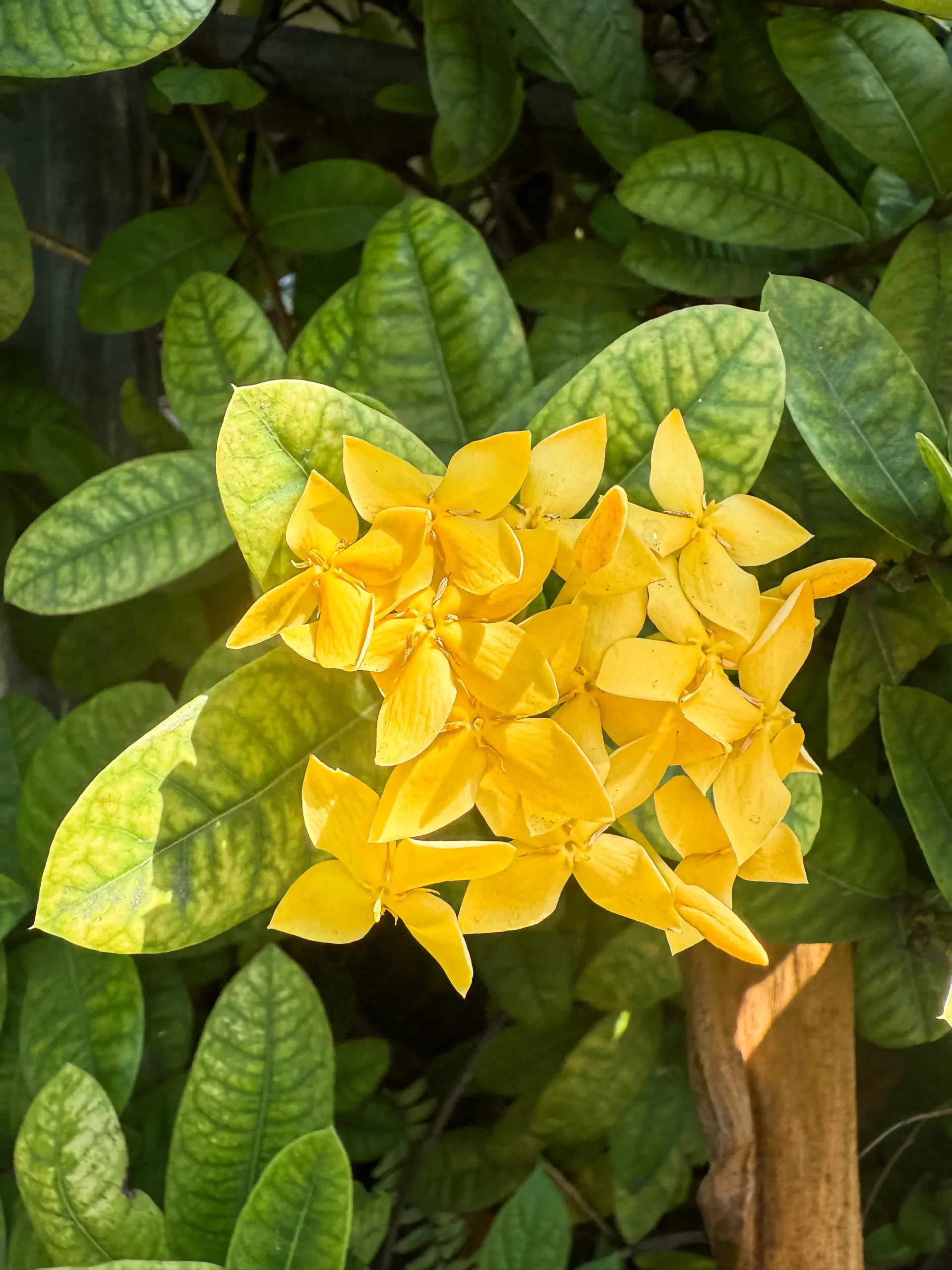
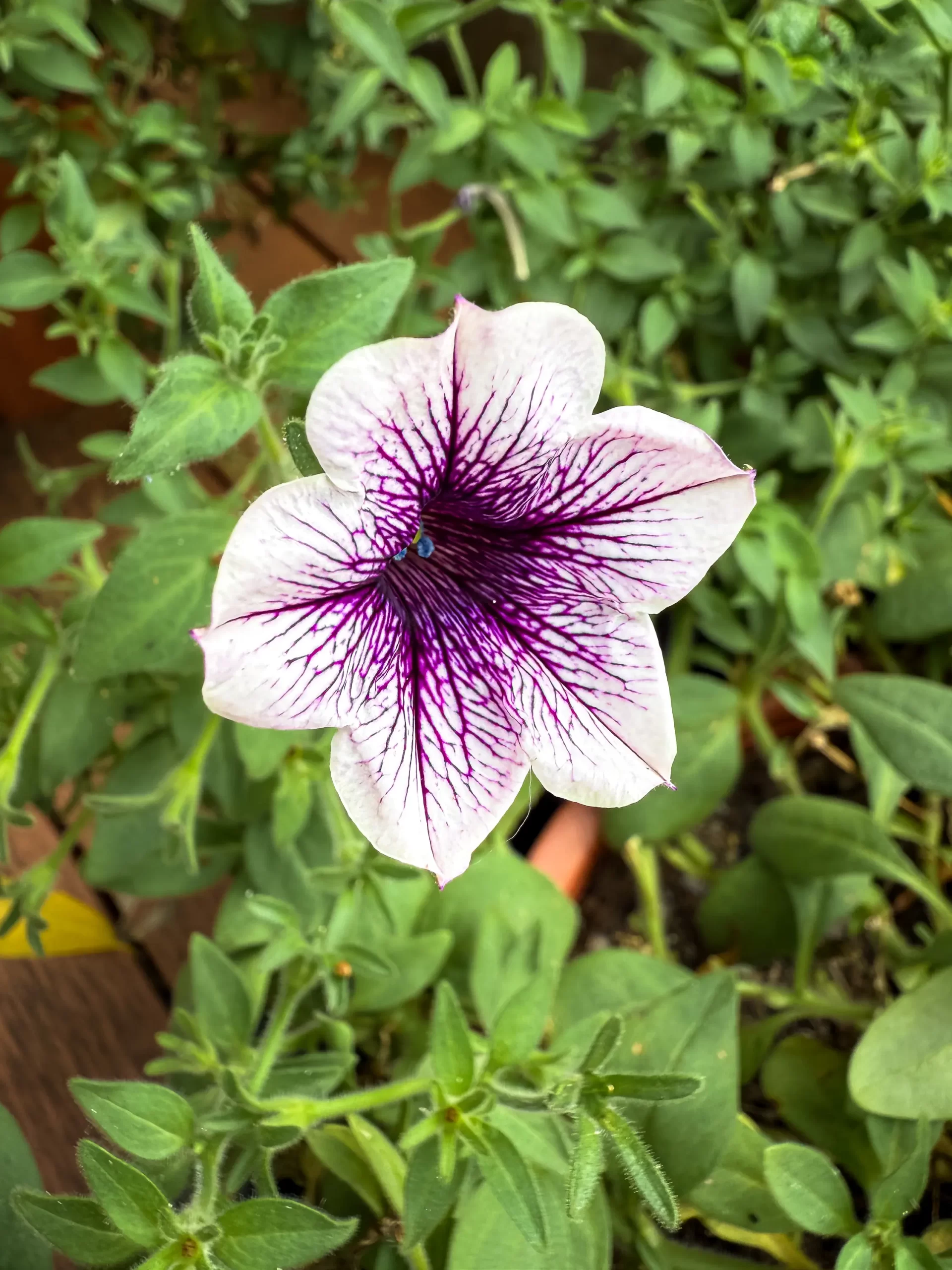
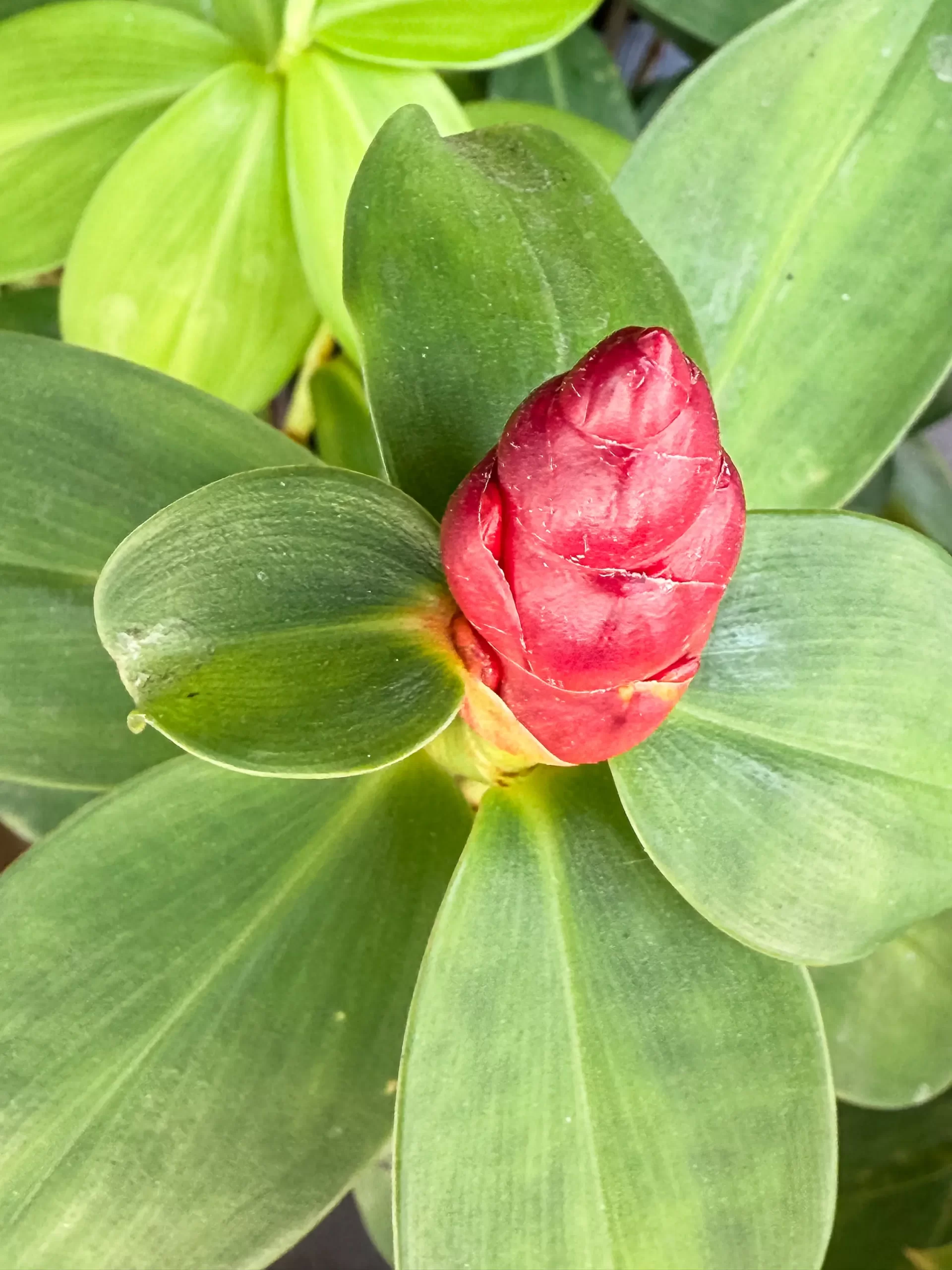
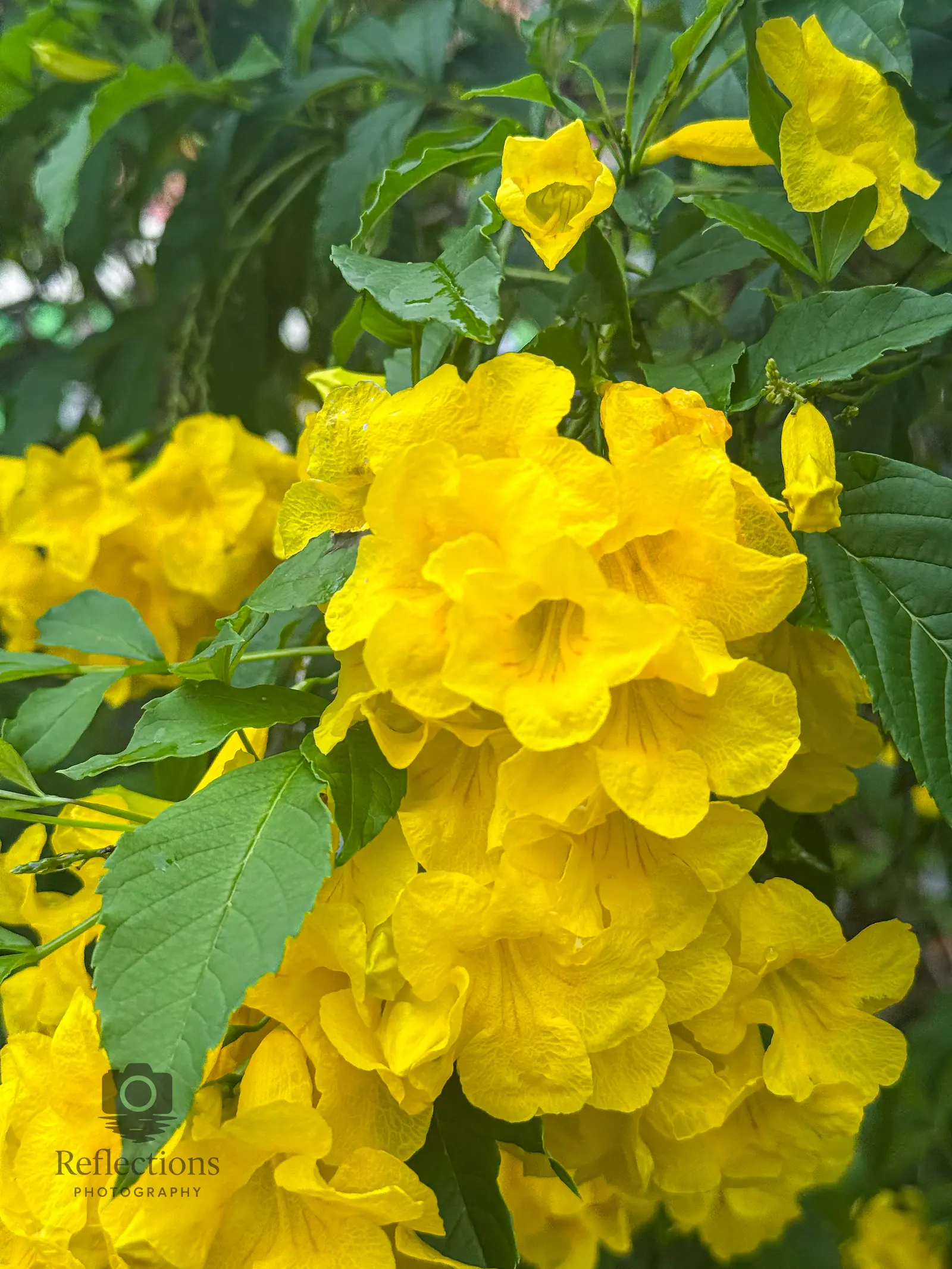
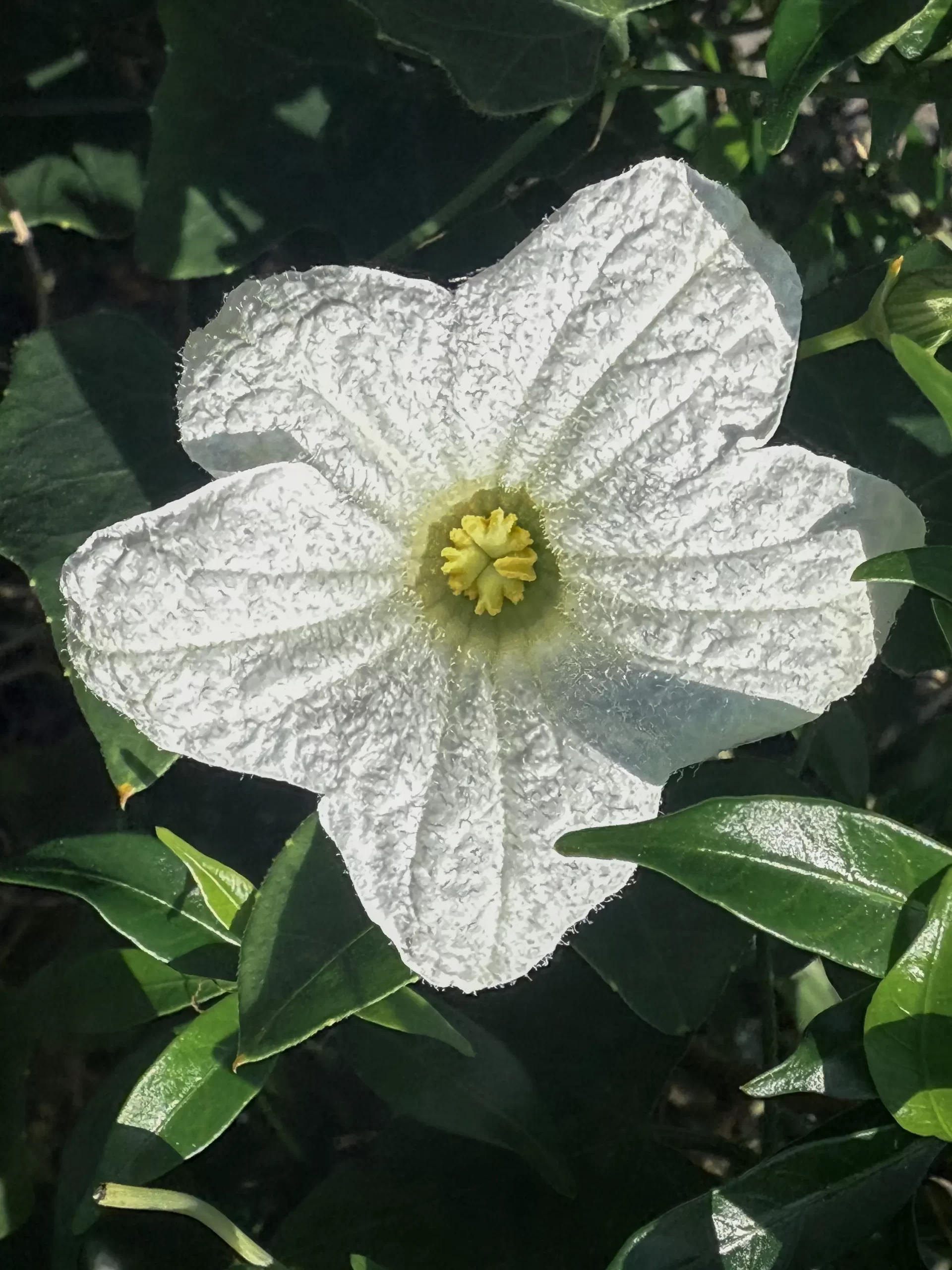
Explore Other Portfolio Categories
Quiet Details — Thailand Photography Details in the Small Things
Quiet Details is a portfolio category built for close attention. The images collected here focus on small subjects — textures, offerings, objects, fragments of signage, petals, surfaces, hands at work, and the tiny decisions people make in daily life. This is not a category about spectacle. It’s about noticing what is already present and letting it hold its own weight. In practice, this is where thailand photography details becomes a way of seeing: a preference for subtle evidence over obvious statements, and for restraint over exaggeration.
Thailand is particularly rich for this kind of work because detail lives everywhere. It appears in street corners, in shopfronts, in the quiet arrangement of everyday objects, and in the way materials age in heat, rain, and time. When you stop chasing the big scene and start paying attention to surfaces, you find a country full of visual language: worn paint, folded cloth, taped signs, offerings, incense ash, fruit skins, condensation on plastic cups, and small handmade solutions to ordinary problems. Quiet Details is a place to hold those fragments without forcing them into a larger story.
What Quiet Details Means in Photography
Quiet detail photography sits somewhere between documentary, still life, and observational street work. It isn’t “macro” for the sake of macro, and it isn’t product photography disguised as art. The goal is clarity and honesty: a frame that shows exactly what drew attention, with clean light and a composition that doesn’t fight itself. Often the subject is small, but the attention is precise. When the framing is right, the image doesn’t need to shout. It simply sits there — complete.
This category also acts as a counterbalance to fast photography. It slows the process down. Instead of collecting scenes, you spend time with one thing and decide whether it truly holds together: does the light describe the texture, does the background support the subject, and does the frame feel intentional rather than accidental? This is where the portfolio gate matters. If an image needs heavy explanation, or if the edit has to “invent” the appeal, it usually doesn’t belong. The strongest frames survive with minimal persuasion.
Why Thailand Rewards This Way of Seeing
One reason thailand photography details works so well is that Thailand carries layers of daily visual culture in small, repeatable patterns. There are practical patterns — taped menus, handwritten signs, improvised repairs, stacked containers, reused materials. There are cultural patterns — offerings, incense, cloth, small altars, temple objects, local symbols that appear in ordinary places. And there are environmental patterns — salt air, humidity, dust, sun, rain — all shaping surfaces in a way that adds character without effort. Detail photography doesn’t have to manufacture texture here; it simply has to recognize it.
This category also keeps the portfolio deliberately Thailand-wide. Quiet Details is not tied to any single province or beach town. The same attention can be applied in the south, the north, rural edges, and urban streets. A small subject remains a small subject wherever you are — and that is the point. The work stays portable because the practice stays consistent: observe, simplify, frame, and leave the moment intact.
How I Work With Details
Quiet Details depends on small technical decisions. Light is treated carefully, because harsh highlights can flatten texture and ruin subtle color. Depth of field is chosen for readability rather than blur-for-blur’s sake. Composition is tightened until the subject is unmistakable, but not so tight that it loses context. Even in close frames, the background matters. A single distracting line, bright patch, or competing object can collapse the image. The best frames feel calm because the visual noise has been removed at the point of capture, not “fixed later.”
Editing is equally restrained. The goal is polish without artificiality. Texture and micro-contrast are used in a controlled way so surfaces feel real, not crunchy. Color is guided to stay believable. Whites remain clean, shadows remain deep, and the subject remains the subject. If the final image looks like it’s trying too hard, it fails the category. Quiet Details isn’t about intensity — it’s about clarity.
A Category That Grows Slowly
Quiet Details is not a volume category. It grows slowly because each image has to carry itself. A small subject must still be strong: clear light, clean framing, and a reason to exist beyond decoration. This slower growth is intentional. It keeps the collection curated and prevents the page from turning into a dumping ground of “nice textures.” Over time, that discipline creates consistency — not in subject matter, but in attention.
As the portfolio expands, Quiet Details will continue to reflect a broader view of thailand photography details — grounded observation, real surfaces, and ordinary objects treated with respect. Not everything here demands attention. That, in itself, is the point.
Context & Related Work
This portfolio category sits within a wider body of work documenting everyday life across Thailand through photography, travel, and long-form observation. While the images here stand on their own, they are part of a broader practice shaped by time spent moving through different regions, environments, and rhythms of daily life.
Travel-focused writing and location-based context related to this work can be found at travelresurgence.com, where lived experience and slow observation guide the storytelling.
Long-form essays, creative projects, and writing that sit alongside this photographic work are published at davehibbins.com, extending the same observational approach into narrative form.
For broader Thailand location references and supporting articles that provide additional geographic and cultural context, visit gofindasia.com.