AI and Photography: Why Learning Photography Still Matters in an AI World
An article by Dave Hibbins exploring AI and Photography
AI and photography are often treated like they’re competing for the same role. If you’re a beginner, it can be unsettling to see AI generate dramatic landscapes, cinematic portraits, and “perfect” scenes in seconds. So the question makes sense: Why bother learning photography when AI can already create amazing images?
Here’s the calm truth: AI can create images. Photography creates memories, meaning, and lived experience. And that difference matters more than ever.
AI and Photography: Similar Output, Different Purpose
When people talk about AI and photography, they often confuse the end result (an image) with the process (a real moment). AI is excellent at producing visual outcomes. Photography is about experiencing and preserving something that actually happened.
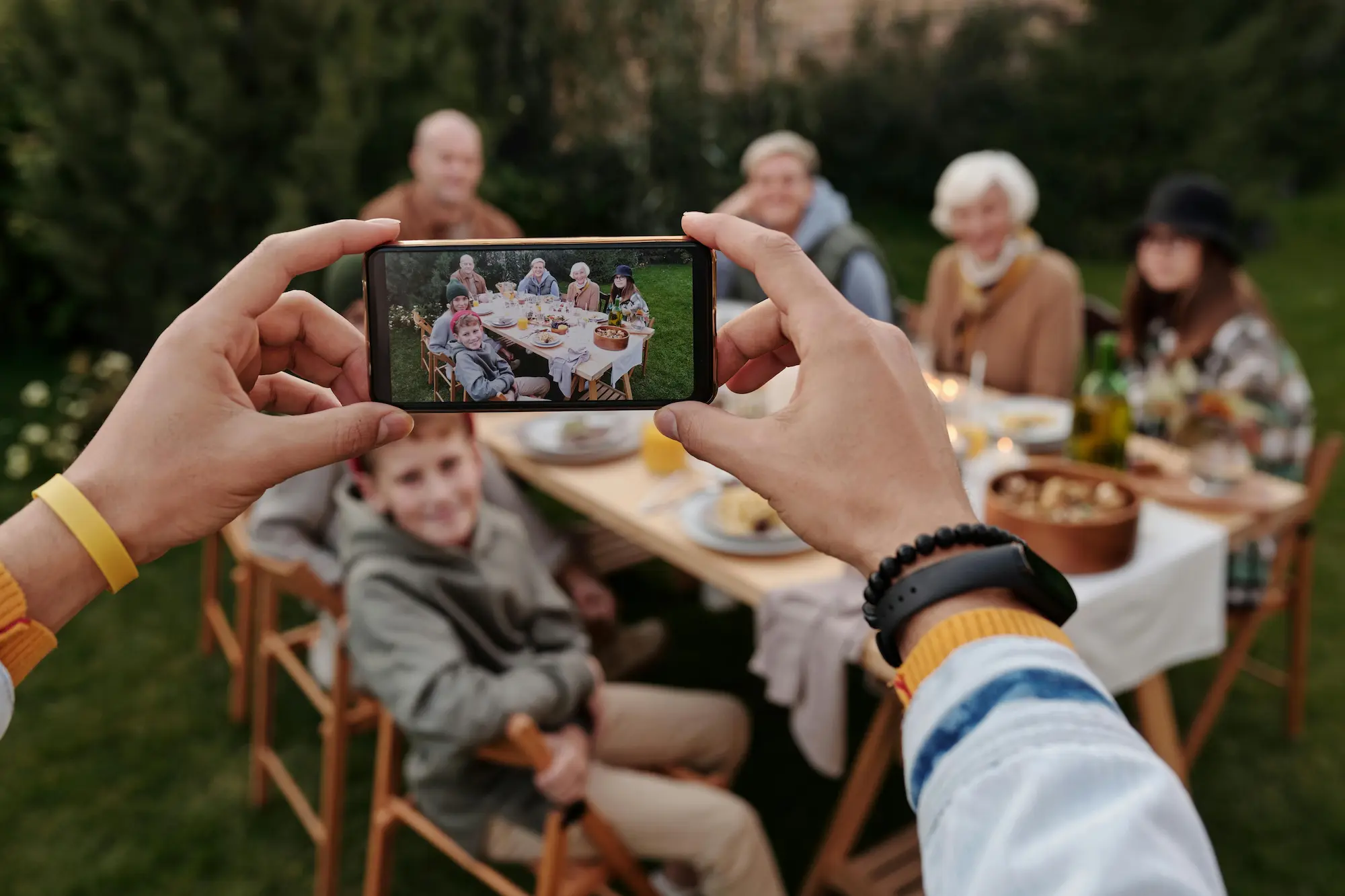
A photograph isn’t just “something that looks good.” It’s something that existed in time. You were there. You noticed it. You chose to keep it.
Why AI Images Look Impressive (But Often Feel Empty)
AI images are built to be ideal: perfect light, perfect colour, perfect composition. But perfection isn’t what makes a photo meaningful.
Most photos people treasure aren’t technically flawless. They matter because of what was happening: who you were with, where you were, what you felt, what changed in your life. AI doesn’t know which moments will matter to you later.
It can’t predict the photo you’ll look back on and think, “I’m glad I captured that.”
Photography Is a Memory, Not Just a Picture
Photography is a way of holding onto moments that won’t repeat. You don’t always know which moments those are while they’re happening. That’s why photography exists.
- A quiet street at dusk
- A shared meal while travelling
- A look on someone’s face that lasts half a second
- A day that felt ordinary… until you realised later it wasn’t
AI can recreate the look of a rainforest, a sunset, or a city street. It can’t recreate your rainforest, your sunset, or your street.
A Simple Metaphor: Travel Content Doesn’t Replace Travel
Think about travel for a moment. There are thousands of YouTube videos, books, blogs, and documentaries about visiting places like Thailand. None of that stops people travelling there.
In fact, it increases the desire. It builds emotion. It makes people want to feel it for themselves.
Because watching travel content is not the same as being there.
Photography works the same way. AI can generate a beautiful, idealised scene. But you don’t cut images out of a travel brochure and store them as your personal memories. Your photos matter because you lived the moment.
Why Beginners Should Still Learn Photography
If you’re new, AI might feel like it’s already “better” than you. But AI doesn’t remove the need to learn photography fundamentals. It makes them more valuable.
Why? Because tools work best when guided by intention. Without understanding light, composition, timing, and subject choice, images (AI or not) become polished confusion: impressive, but unclear.
Learning photography isn’t about competing with AI. It’s about learning to see clearly.
The Skill AI Can’t Replace: Decisions
Photography is built on decisions:
- What is my subject?
- What do I leave out?
- Where do I stand?
- When do I press the shutter?
- What feeling do I want this image to have?
AI can execute instructions. It doesn’t decide why an image exists.
For beginners, this is good news. You don’t need to master everything at once. You need simple, repeatable decisions that make your photos clearer on purpose.
Creating a Specific AI Image Can Be Slower Than Taking the Photo
Here’s a practical truth that gets missed in the hype: to generate a truly specific, meaningful image with AI, your instruction would need to describe the scene, lighting, mood, subject, context, and details.
By the time you’ve written a complex prompt, you could have taken the photo, edited it, and published it.
Life doesn’t arrive with advance notice. Photography exists because real moments happen faster than instructions.
Where AI Fits (Without Replacing You)
This isn’t an anti-AI argument. AI can be genuinely useful in photography when it plays the right role.
AI works well for:
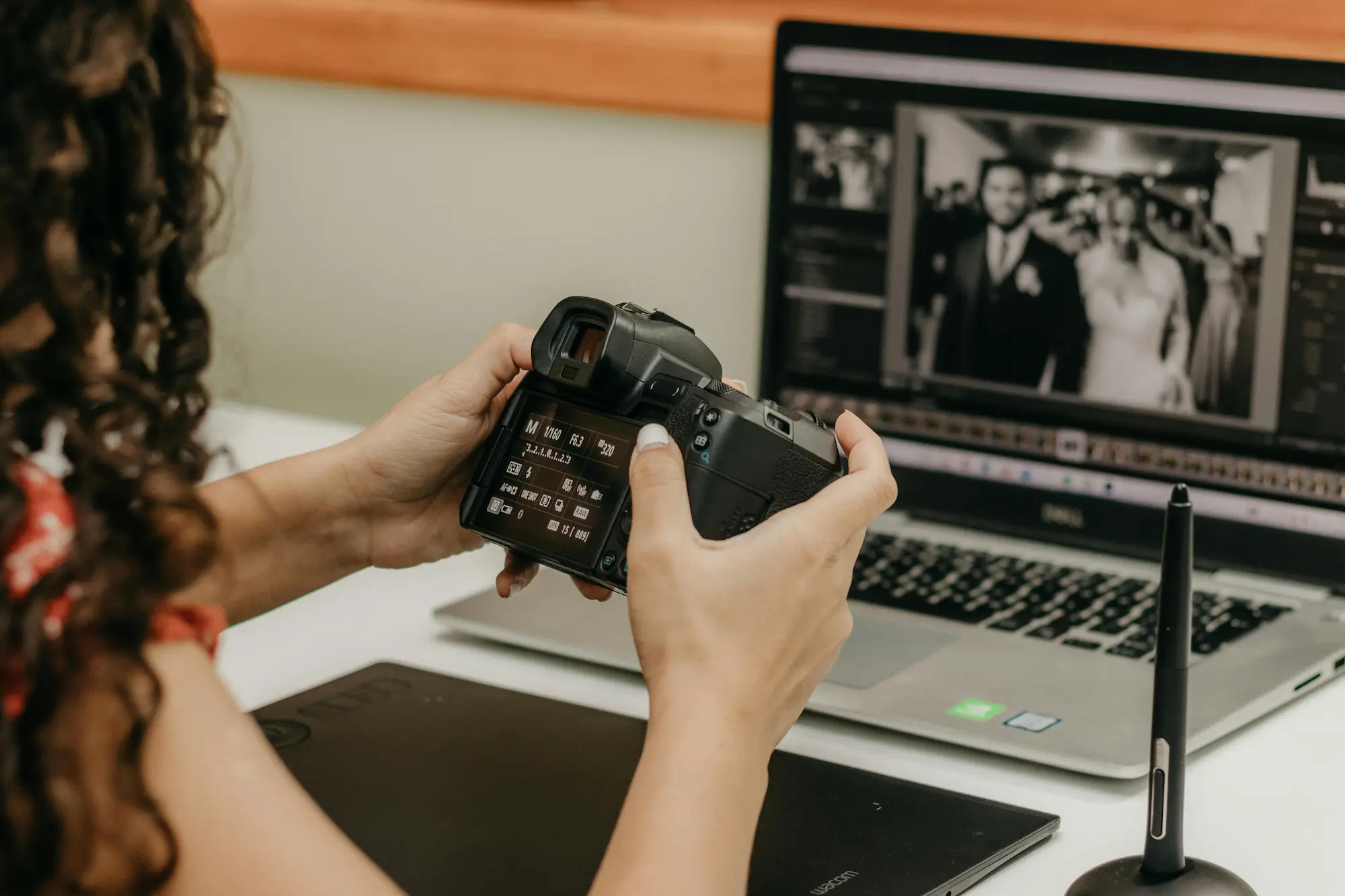
- enhancing photos you already took
- reducing noise
- speeding up masking and selection
- cleaning up repetitive editing tasks
Used this way, AI supports your memory instead of replacing it. That’s a healthy relationship with AI and photography.
The Real Question Isn’t “Will AI Kill Photography?”
The real question is:
What do you want photography to be for you?
Once you answer that, the noise fades. If photography is about remembering your life, noticing moments, telling stories, and sharing what you felt, then AI isn’t a threat.
It becomes what it should be: a tool you can use (or ignore) depending on your goals.
Conclusion: Photography Is Still Alive Because Life Is Still Happening
Photography hasn’t survived because of cameras or technology. It survives because people want to remember, share, feel, and connect.
AI can create images. But it can’t create your experience.
If you care about your experiences, photography will always matter.
Next step: If you’re a beginner and want a simple way to stop guessing and start taking clearer photos on purpose, check out Season 1 and learn the small decisions that make photos stand out.
Further Reading
If you’re curious how AI is currently used in real photography workflows, this overview is a solid starting point:
Adobe Lightroom AI-powered features
.
FAQ
Will AI replace photographers?
No. AI can generate images, but photography is about capturing real moments, experiences, and memories.
AI can assist editing, but it can’t replace being present when something meaningful happens.
Is it still worth learning photography as a beginner?
Yes. Learning photography teaches you how to see light, choose a subject, and tell a visual story.
These skills matter whether you use a camera, a phone, or AI-assisted tools.
What is the difference between AI images and photography?
AI images are generated from instructions. Photography comes from real moments you experience.
A photograph is tied to time, place, and personal meaning in a way AI images are not.
Can AI help improve my photos?
Yes. AI tools can help with noise reduction, masking, and basic enhancements.
Used well, AI supports your photos rather than replacing the creative decisions behind them.
Should beginners learn photography before using AI tools?
Learning the basics first helps you use AI more effectively. Understanding composition and light keeps you in control, so AI enhances your photos instead of making them look artificial or unfocused. If you’re ready for a simple next step, Season 1: Stand Out Now will help you make clearer decisions so your photos stand out on purpose.
About the Author
Dave Hibbins is a photographer, writer, and creator based in Thailand.
His work focuses on helping beginners take clearer, more intentional photos—by understanding
moments, not memorising settings.
Alongside photography education, Dave documents the experience of travelling and living in Asia,
and writes fiction that explores tension, movement, and human decision-making.
Explore More
- David Hibbins — Writing
Thrillers, long-form writing, and creative projects.
Go Find Asia
First-hand experiences of travelling and living in Asia, with practical guides and
independent recommendations.
Resurgence Travel
Boutique, personalised travel planning and custom-created tours—focused on experience,
not packaged itineraries.

🥰 love it