stop the scroll
Season 1: Stand Out Now
Episode 3
One Photo, One Idea
The habit that makes your photos feel intentional — immediately
If your photos sometimes feel “fine”… but forgettable, this is usually why.
The photo didn’t fail because you did something wrong.
It failed because nothing was clearly decided.
The moment felt rich. Interesting. Worth capturing.
So you lifted your phone and included everything.
And when everything is included, the viewer doesn’t know what to care about first.
What “one idea” actually means
One idea doesn’t mean a dramatic subject.
It means the photo has one clear point.
A single thing you want the viewer to notice first — and understand without effort.
That idea might be:
- a person
- a gesture
- a moment of light
- a small detail that says something
But it’s one.
Not “the place, the mood, the view, the people, and the memory.”
Just one clear message.
Why this changes everything (without adding effort)
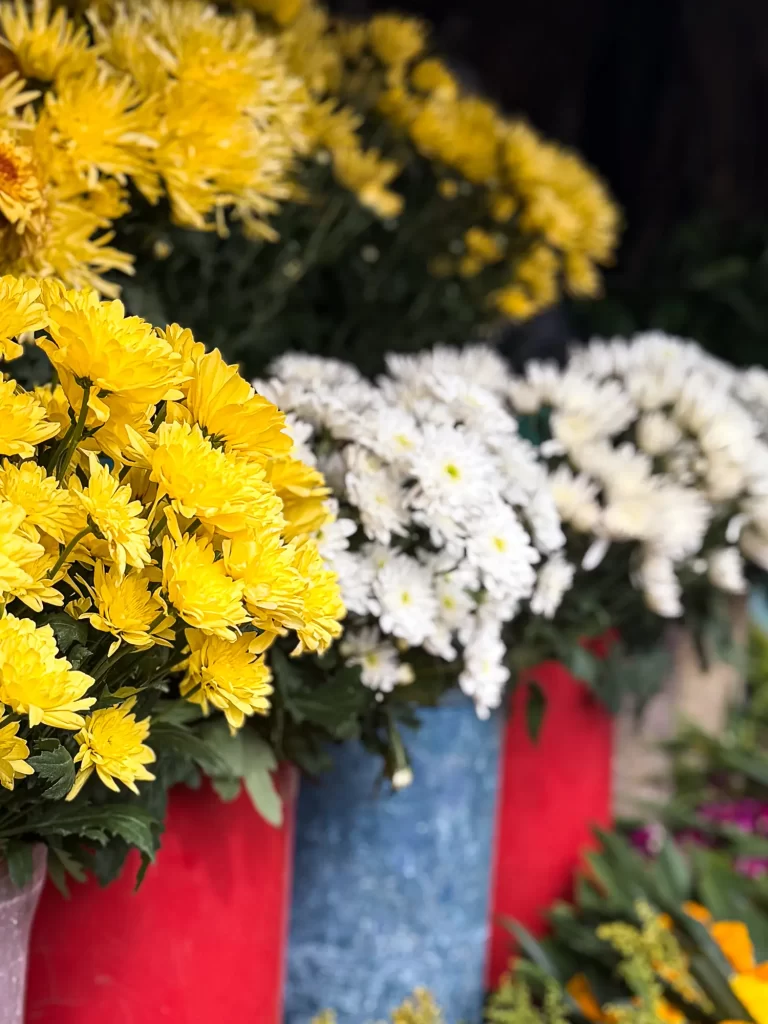
When you choose one idea, you stop “recording the scene.”
You start guiding attention.
That’s the difference between a photo that gets glanced at… and a photo that makes someone pause.
And this is the key: you don’t need more technique.
You need one decision.
The sentence that keeps you honest
Before you shoot, finish this sentence in your head:
This photo is about…
If you can’t answer that in one simple line, you’re not ready to press the shutter yet.
That’s not a criticism.
It’s a shortcut.
In practice (3 quick scenes)
Here’s how this works in real life — without overthinking it.
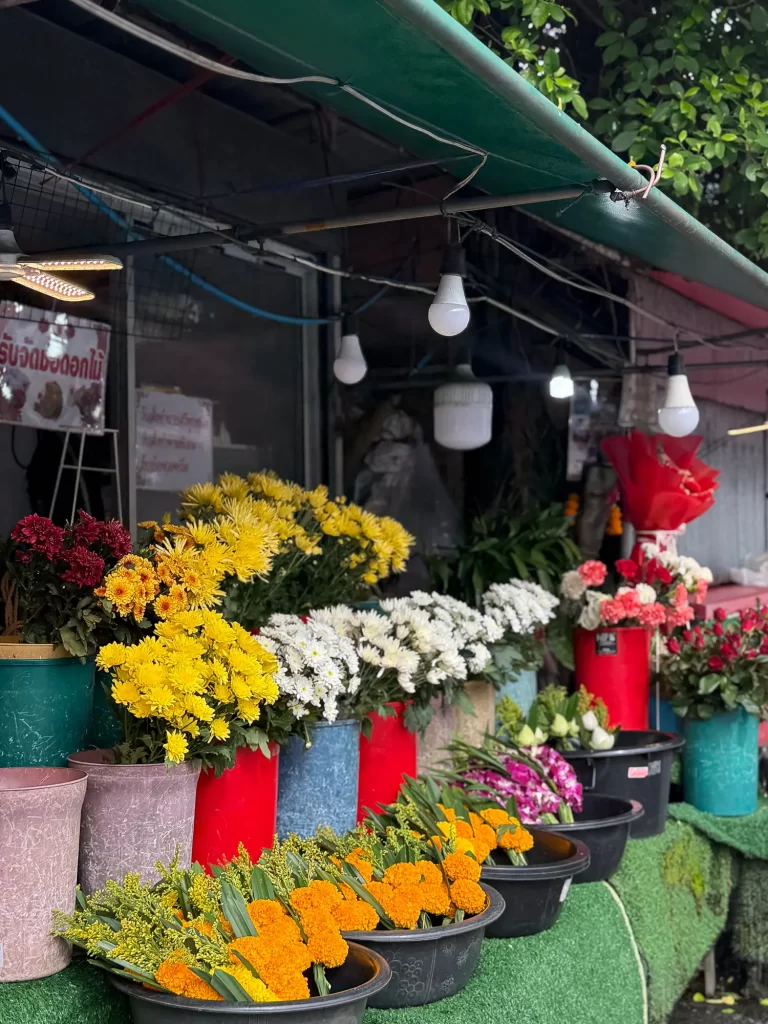
Scene 1: A market stall
The mistake is trying to capture the whole stall, the crowd, the colours, the signs, the atmosphere.
One idea might be: “This photo is about the vendor’s hands.”
Now you know what you’re doing. You’re not photographing “the market.” You’re photographing a moment inside it.
Scene 2: A friend at a table
The mistake is including the whole table, the drinks, the background, the lights, the room.
One idea might be: “This photo is about their expression.”
Now everything else becomes supporting detail — or distraction.
Scene 3: A street at night
The mistake is trying to show the full street, all the signs, all the energy.
One idea might be: “This photo is about one person in the light.”
Now you’re not capturing “nightlife.” You’re capturing a single clear moment that feels like it belongs to that place.
Do this (a simple 5-minute loop)
This is where the improvement actually happens.
You’re going to take two photos on purpose — not twenty by habit.
- Pick a scene (anything)
- Finish the sentence: “This photo is about…”
- Take one photo
- Look at it for five seconds
- Ask: does the photo match the sentence?
- If not, adjust and take one more photo
That’s the loop.
It’s not about getting it perfect.
It’s about noticing what changes when you commit to one idea.
A calm self-check (no overthinking)
After you take the photo, don’t judge it.
Just answer these quietly:
- Where does my eye go first?
- Is that the thing I meant?
- If a stranger saw this, would they understand the idea?
If the answer is “not really,” that’s useful information.
It means the idea wasn’t clear yet — not that you failed.
Common sticking points (and what to do instead)
“It’s about the vibe.”
That’s a feeling — not an idea. Pick what creates the vibe. A face, a gesture, a light, a moment.
“It’s about everything.”
That usually means you haven’t chosen yet. Start smaller. One person. One detail. One moment.
“I’ll fix it later.”
Editing can improve a clear photo. It can’t choose the idea for you.
“But I don’t want to miss anything.”
You won’t miss it — you’ll translate it. One photo can’t hold everything. It can hold one clear piece of it.
What you’ll notice right away
- You’ll take fewer “maybe this works” photos.
- You’ll feel more in control of the frame.
- You’ll get more keepers, with less effort.
- Your photos will feel more intentional, even when they’re simple.
This is the real upgrade.
Not your phone.
Your decision.
What comes next
In the next episode, we make the next move:
how to remove what doesn’t belong — so your one idea has space to land.
Want personal feedback on your photos?
Send one image and I’ll tell you what’s working, what’s holding it back, and what to do next.