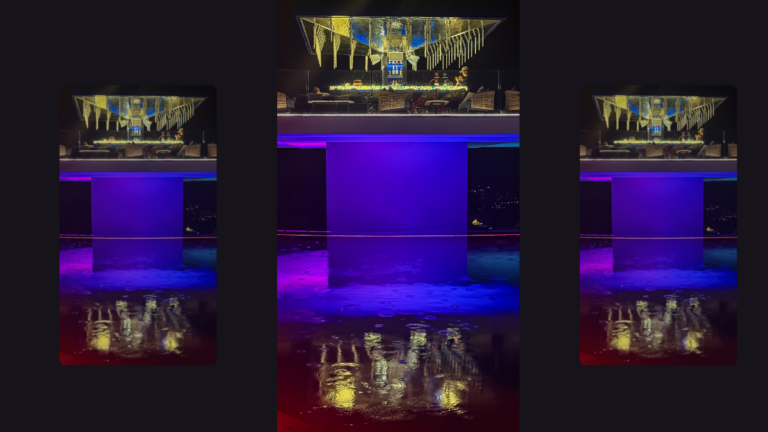

How to Simplify a Photo – Notes From The Frame – 1
A Weekly Click on how to simplify a photo — by Dave Hibbins
Today, I was scrolling through photos on Facebook and came across a beautiful image of a village. At first glance, I understood it immediately. I could see what the photographer was trying to show — the atmosphere, the scale, the feeling of the whole place.
But as I kept looking, something felt off.
My eye moved around the frame, but it never really settled anywhere. Without a caption explaining what I was looking at, I’m not sure I would have stayed with the image for very long.
That feeling was familiar.
I’ve had the same experience many times in my own photography — especially when shooting markets, beaches, or wide scenes where everything feels important. It made me think about a question I hear often from beginner photographers: how to simplify a photo when the scene itself is busy.
To explore that idea without singling out anyone’s work, I tracked down a couple of generic images that represent this beautiful but busy kind of scene.
And that’s where this week’s click came from.
How to Simplify a Photo When Everything Feels Important
The challenge with scenes like villages, markets, or beaches isn’t technical.
It’s not about sharpness, exposure, or camera settings. It’s about visual hierarchy.
When we stand in front of a scene like this, our brain is doing a lot of extra work. We’re hearing sounds, feeling movement, noticing patterns, and filling in context from memory and experience. The place feels alive.
The camera doesn’t do any of that.
The camera treats everything in the frame as equally important.
So when we try to show everything — every building, every person, every detail — the result is often a photograph where the viewer’s eye has nowhere to land. It moves, it scans, but it never connects.
This is one of the most common traps in travel and street photography, and it’s something I still catch myself doing.
It’s also exactly the kind of decision that often becomes clearer during photo coaching, where having another set of eyes helps reveal what the frame is actually saying versus what we remember experiencing.
Why Wide Scenes Are Especially Tricky
Wide scenes are deceptive because they feel complete.
You’re not missing anything. You’re not excluding anything. You’re being honest about the place.
But honesty in photography doesn’t mean inclusion — it means clarity.
A strong photograph doesn’t need to show everything. It needs to show one thing clearly. That one thing can still represent the whole.
Example 1: Busy Markets
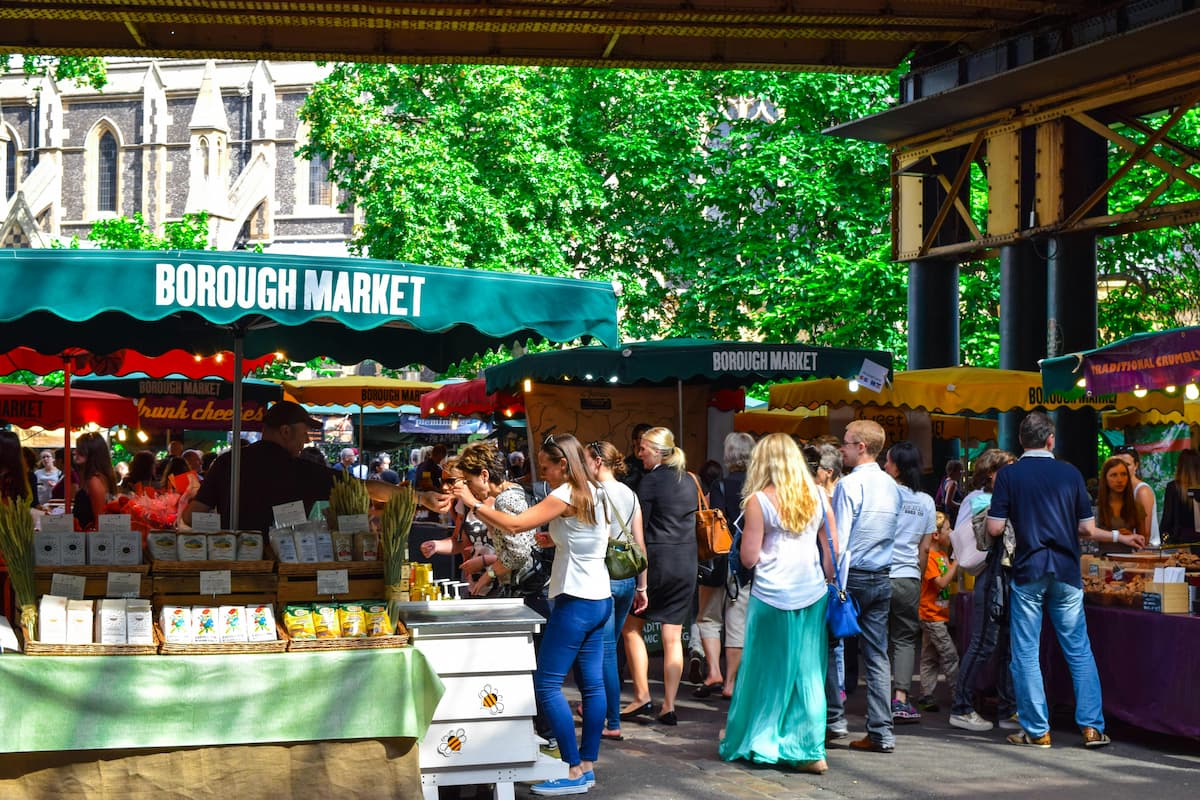
There’s colour everywhere. People are moving in every direction. Signs, stalls, food, light, shadow — all competing for attention. The instinct is to step back and capture it all.
But when everything is included, nothing leads.
A stronger approach is to choose one anchor:
- a single vendor
- one exchange of hands
- a colour cluster
- a leading aisle
Once that anchor is clear, everything else becomes context instead of competition.
This is where technique supports decision-making. A longer focal length, a wider aperture, or a lower shooting angle can all help — but only after the anchor is chosen.
This kind of thinking is something we go deeper into in structured photography courses, where you can practise these decisions deliberately instead of discovering them by accident in the field.
Example 2: Beaches and Open Landscapes

Beaches look simple, but they create the same problem in reverse.
Instead of too many elements, there’s often too much space. Sand, sea, sky, people, boats — all present, but none dominant. The mistake here is filling the frame just because the space exists.
Strong beach photos usually commit to one idea:
- a person against open water
- a boat with negative space
- a shadow on sand
- a single horizon line used deliberately
Space isn’t emptiness — it’s direction. When the frame gives the eye room to rest, the image becomes calmer and more engaging, even if very little is happening.
A Simple Exercise to Try This Week
Here’s a small practice I’ve been using more intentionally. Next time you’re in a busy or wide scene:
- Take one wide “memory shot” — no pressure, just document the place.
- Then slow down and ask: What is the anchor here?
- Shoot three versions where that anchor is unmistakable.
- If the anchor isn’t obvious, move closer until it is.
When you review the images later, notice which ones hold your attention the longest — not which ones show the most. That difference is where improvement happens.
Why This Matters More Than Gear or Settings
Most photographers already know how to expose a photo correctly. What separates good photos from forgettable ones is the ability to make a clear decision under visual pressure.
Busy scenes force that skill to the surface. They’re uncomfortable because they reveal hesitation — not lack of talent. That’s why these moments are so valuable for learning.
Closing Thoughts
This week’s click wasn’t about pointing out what someone else did wrong. It came from recognising a feeling I’ve had many times myself.
Understanding a scene isn’t the same as guiding the viewer through it. The camera won’t do that for us — but a single, clear decision will.
If you want feedback on a photo where something feels almost right but not quite settled, that’s exactly the kind of conversation I enjoy having with photographers.
FAQ
How do I simplify a photo when there’s a lot going on?
Start by choosing one clear anchor — a subject, a gesture, a line, or a light source — and let everything else support it. Learning how to simplify a photo isn’t about removing things, but about deciding what matters most.
Why do my photos feel busy even when the place looked amazing?
Because your camera records everything with equal importance, while your brain filters and prioritises in real life. Without a clear visual hierarchy, the viewer’s eye keeps moving without settling.
How do I choose a focal point in a crowded scene like a market?
Look for one anchor: a person, a gesture, a colour cluster, or a strong leading line. If everything feels equally important, you’re usually too far away — move closer until one subject becomes obvious.
Do I need shallow depth of field to make a subject stand out?
Not always. Shallow depth of field can help, but clarity usually comes from composition first: framing, spacing, and choosing one dominant element.